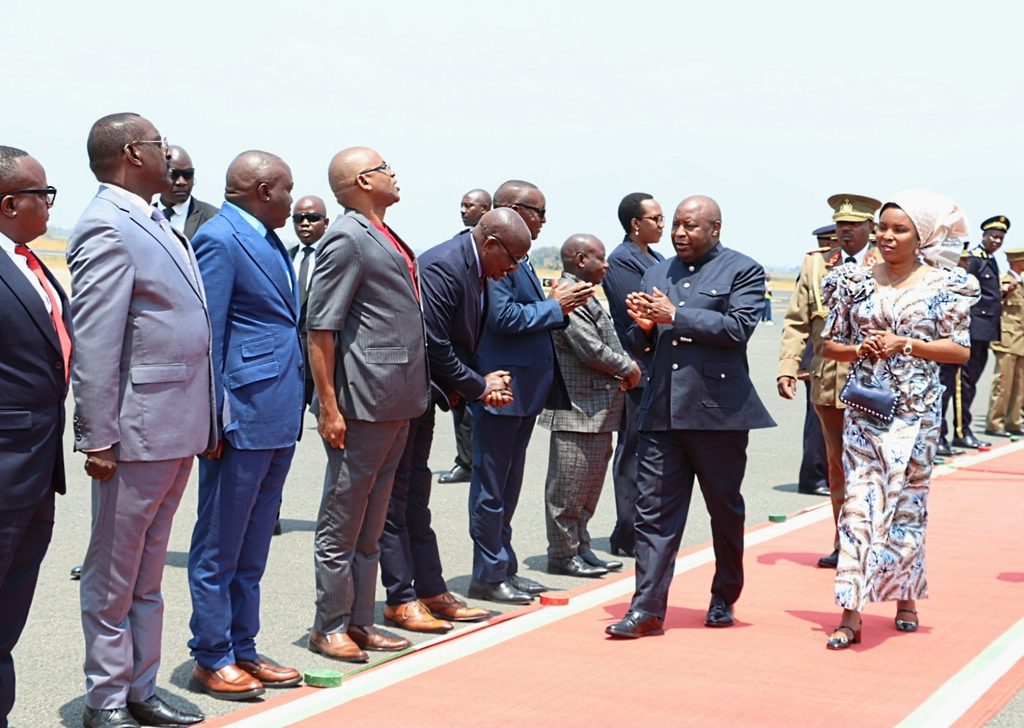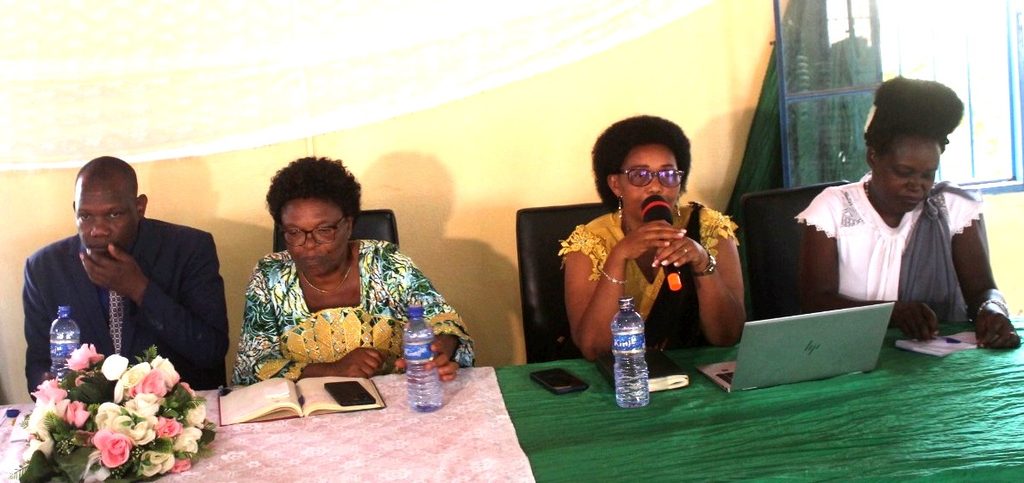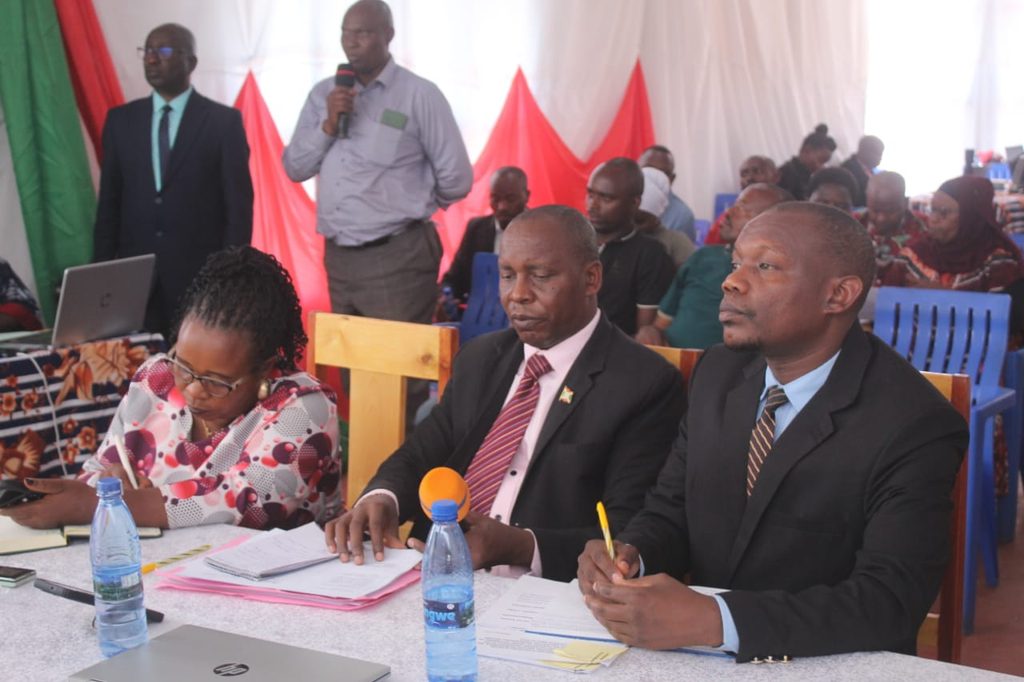
Senators conducted a visit to Commune Tangara on July 8, 2026, for a meeting with administrative officials and zone chiefs. This engagement followed a previous Senate visit to the commune in October 2025. During their discussions, officials noted that none of the doctors or nurses who had been assigned elsewhere had been replaced, noting a persistent issue for the community's healthcare system. The senators' visit aimed to assess progress and address ongoing challenges within the commune, emphasizing a commitment to public service and local development. This structured approach to oversight is designed to ensure that previous recommendations are taken seriously and that tangible improvements are made for the residents.
Delegation's Mandate and Observations
The Senate delegation, a key part of the legislative body's oversight function, was led by Honorable Berchmas Nzoyihaya. Nzoyihaya clearly articulated the purpose of these recurring visits, stating, "The Senate conducts these visits to verify whether leaders have implemented the recommendations formulated by the Senate during its previous visit in October 2025." This particular visit to Commune Tangara was part of a broader tour of communes located in the Butanyerera province, indicating a systemic effort to engage with local governance across the region. The full nature of these tours allows senators to gain firsthand insights into the operational realities and specific needs of various communities.
During the engagement, Nzoyihaya delivered a strong message calling for humility and a steadfast focus on citizen well-being from local authorities. He asserted, "The Senate calls on authorities to show humility towards the population, to ensure its well-being, and to encourage it to engage in development." He further elaborated on the extensive responsibilities of leaders, stating, "all leaders are called upon to show humility towards the population they lead and that they have an important role to play in its guidance, the maintenance of peace and security, as well as in consolidating the commune's development." This emphasis shows the Senate's expectation for proactive and empathetic leadership at the local level.
Nzoyihaya also urged officials to rigorously adhere to legal frameworks in their daily operations. He stated, "respect the laws and regulations in the exercise of their functions and to know what is permitted or forbidden to them, in order to avoid committing faults, as was observed among certain administrators in the communes in previous years." This directive serves as a clear warning against malfeasance and a call for transparent, lawful governance. He concluded his remarks by calling for unity among local leaders and prioritizing citizen welfare, aligning these efforts with broader government policy. This alignment is key for ensuring that local initiatives contribute effectively to national development goals. Meanwhile, health centers in Commune Tangara have begun receiving medicines, addressing a key need identified in previous assessments.
Conditions and Service Delivery
Significant improvements have been observed in the provision of essential services within Commune Tangara. Health centers in the commune have successfully received medicine supplies, with availability currently standing at 67%. This addresses a critical need within the community's healthcare infrastructure, directly impacting the well-being of residents. Beyond medical provisions, educational support has also been a focus, with tangible assistance provided to students in the commune. A total of 500 notebooks were distributed among 100 students, meaning each child received 5 notebooks, a practical measure to support their learning.
The commune has also seen some progress in addressing staffing shortages, particularly in the education sector. Of the teachers who had been reassigned to other roles, 46% have now been replaced, partially alleviating previous shortfalls in educational personnel. However, challenges persist, particularly in terms of working conditions for many employees across various sectors. Only 10% of workers in Commune Tangara currently have an appropriate workspace. This statistic notes a significant need for infrastructure improvements and investment to provide adequate facilities that support the workforce effectively. The varying rates of progress across these sectors—from substantial improvements in medicine availability and educational supplies to ongoing challenges in workspace provision and medical staff replacement—show both the ongoing efforts and the areas requiring further urgent attention within the commune. These disparities indicate that while some issues are being addressed, a full strategy is still needed to tackle systemic problems.
Call for Administrative Reform
Jean Pierre Ndikuryayo serves as the Administrator for Commune Tangara. During the Senate's visit, discussions frequently turned to administrative efficacy and the imperative for leaders to uphold legal frameworks in their duties. The ongoing challenges in staffing, particularly the fact that none of the doctors or nurses assigned elsewhere have been replaced, and the partial replacement of teachers, show the administrative complexities and resource constraints within the commune. These issues directly impact the quality and accessibility of public services for the local population. Despite some progress, such as the provision of medicines to health centers and the distribution of educational supplies to students, the issues surrounding appropriate workspaces for the vast majority of employees remain a significant concern for the administration. This lack of suitable working environments can hinder productivity and morale, affecting overall service delivery. The Senate's ongoing engagement with commune officials aims to foster continuous improvements in governance and public service delivery, urging a sustained focus on citizen well-being and the vigorous pursuit of development initiatives. The senators emphasized that effective administration is foundational to achieving these goals and ensuring that the commune can thrive.