Prices for school supplies are significantly increasing on markets in Bujumbura ahead of the 2026-2027 academic year, according to local reports. Consumers are facing higher costs for essential items, placing an additional burden on families preparing for the new school term. This widespread escalation in prices is causing considerable concern among parents and guardians as the start of the academic year draws near. The financial strain is particularly acute for households with multiple children attending school, where the cumulative cost of supplies quickly becomes prohibitive.
Observations from Galerie Plaza indicate a notable surge in prices across various school materials, from basic stationery to more specialized items. This upward trend is consistent with findings from the Association burundaise des consommateurs (Abuco), which has been closely monitoring the market situation. Abuco's reports highlight a concerning pattern of price inflation that is affecting a wide range of products deemed essential for students. The association has expressed its apprehension regarding the impact on accessibility to education for many families.
Sharp Price Hikes Detailed
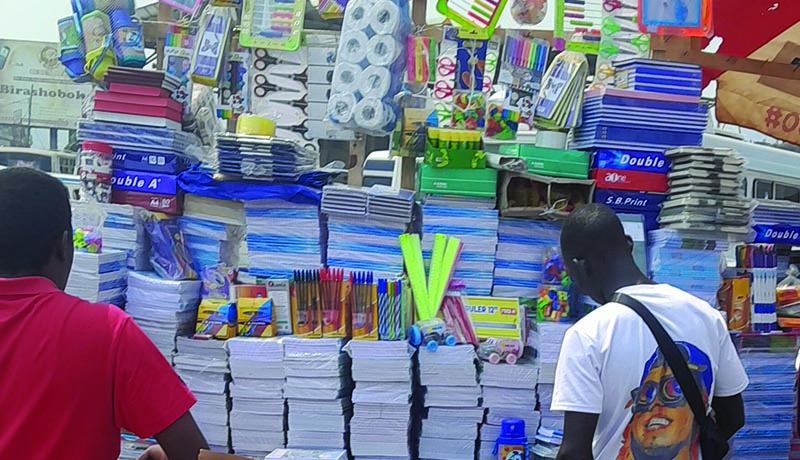
A 100-page notebook of the Buja-Ville brand, noted for its quality and popularity among students, is currently selling for between 4,000 and 4,500 BIF in Bujumbura markets. This marks a substantial increase from last year's price of 3,000 BIF for the same item, representing a rise of 33% to 50%. The price escalation is also evident at specific retailers, where costs can be even higher due to various operational factors.
At the Saint-Paul bookstore, a prominent retailer of academic supplies, a similar 100-page notebook is priced at 6,000 BIF. This price point further illustrates the significant inflation impacting essential school items across different sales channels. Another common school item, a 60-page notebook of the Rukoko brand, now costs 3,500 BIF. This represents a significant rise from its 2,000 BIF price point in the previous year, an increase of 75%. These dramatic price jumps for fundamental stationery items are forcing parents to re-evaluate their purchasing strategies and often make difficult choices.
The increases extend beyond stationery to essential clothing items, which are a mandatory part of the school preparation budget for many families. A school uniform for a first-year child is now approximately 30,000 BIF. Last year, the same uniform cost around 18,000 BIF, indicating a substantial jump of 66% in expenditure for parents preparing children for the academic year. This significant increase for a single uniform adds considerable pressure to household budgets already stretched by other rising costs. For families with several children, the cumulative cost of uniforms alone can become an insurmountable barrier.
Parental Struggles and Supply Chain Disruptions
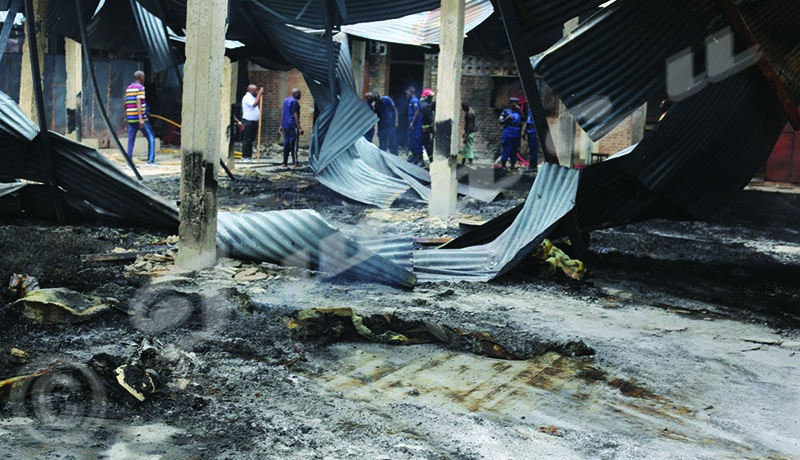
The rising costs are compounded by recent disruptions impacting parents and traders alike, creating a challenging environment for back-to-school preparations. Marthe Kwizera, a mother of five from Musaga zone, previously maintained a school supply stand in the basement of the 'Le Parisien' gallery. Her situation illustrates the unexpected challenges faced by families and small business owners in the current climate. "Personne ne pensait que nos marchandises partiraient un jour en fumée," Kwizera stated, reflecting on the devastating loss of her inventory. She added, "C’est pourquoi je n’avais pas pensé à mettre de côté les cahiers destinés à mes enfants. Je leur avais dit qu’ils les auraient quelques jours avant la rentrée scolaire. Mais, les accidents ne préviennent pas. Je me suis retrouvée sans aucune marchandise." Her personal loss as a vendor has directly impacted her ability to provide for her own children's educational needs, noting the interconnectedness of these challenges.
The fire at the Galerie Le Parisien and Galeries Ndayizamba has directly affected consumer purchasing strategies, particularly for those who relied on these establishments for bulk purchases and competitive pricing. Jean-Bosco Hatungimana, a parent, explained that he typically bought school supplies in bulk from these galleries to save money. "Cela me permettait de réduire les dépenses car, acheter directement en gros revient moins cher," Hatungimana said, detailing his usual cost-saving approach. However, this year, he has only been able to acquire about half of the necessary supplies for his children due to the fire at the Ndayizamba and Le Parisien galleries. "Mais, cette année, avec l’incendie, la situation est devenue très difficile," he noted, expressing his frustration with the unforeseen circumstances. Hatungimana added that prices have significantly increased, and his current budget does not allow him to purchase everything at once from retail merchants. He is now compelled to wait and seek alternative means to complete his children's school supply needs before the academic year begins, a common predicament for many parents.
Calls for Intervention and Fair Practices
Merchants of school supplies in Bujumbura city center indicate that they are facing increased costs from suppliers, which they then pass on to consumers. These traders attribute the rising prices to factors beyond their control, affecting their ability to offer competitive rates. They often cite increased import costs, fluctuating currency exchange rates, and higher transportation expenses as primary drivers of the price hikes. The situation has prompted calls for greater scrutiny of the supply chain to identify and address the root causes of the price inflation. Such conditions put pressure on both retailers, who struggle to maintain profitability, and parents, who bear the brunt of the increased expenditure as the new academic year approaches.
At Librairie Saint-Paul, the price of a register, an essential item for teachers and school administration, has increased from 17,000 to 20,000 BIF. This specific increase notes the broader trend of rising costs for various school materials, affecting not just students but the entire educational ecosystem. Observers note that while some price adjustments are typical due to seasonal demand, the current escalation is significant and unprecedented, compounding financial difficulties for many families. The Association burundaise des consommateurs (Abuco) has been monitoring these trends diligently and advocating for measures to ensure fair pricing and protect consumers from undue burdens. They are urging authorities to investigate the price increases and implement policies that can stabilize the market and alleviate the financial pressure on families preparing for the academic year. The ongoing dialogue between consumer associations, traders, and government bodies is key to finding sustainable solutions to these persistent economic challenges.