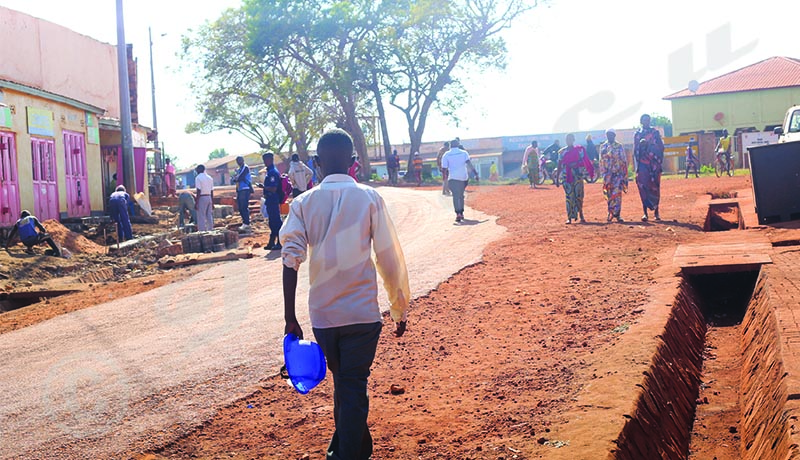
Despite a challenging environment marked by poor road conditions in Rutana commune's administrative center, local women and youth are pursuing self-development initiatives. Josiane Niyogushima, who received training and holds a diploma in sewing, assists her spouse in supporting their family. "L’intérêt est déjà là. J’aide mon conjoint à faire vivre la famille. Il suffit de travailler et de suivre de près les rendements au quotidien. Des bénéfices, nous en avons et on se développe peu à peu," Niyogushima stated.
The Programme d’autonomisation économique et d’emplois des jeunes (PAEEJ) supports associations promoting such efforts. Elsewhere in the commune, N.C. A young woman nearing the completion of her university studies, sells phone units. Audace Ndayishimiye, 30, from Majambere quarter, transformed his musical passion into a source of income. Ndayishimiye observed that such activities allow young people to "échanger des idées, de se conseiller mutuellement et de chercher ensemble des solutions lorsque leurs projets rencontrent des difficultés."
The Landscape of Opportunity and Obstacles
The cost of transporting goods to and from Rutana has significantly increased, impacting local commerce. Transporting four 30-liter canisters of palm oil, for instance, now costs at least 50,000 BIF due to a fuel crisis. This escalation affects vendors who rely on moving products from surrounding areas. Angela Nduwayo, a vendor, reported that her transport expenses from Nyabitsinda and Kinyinya have risen from 7,000 BIF to approximately 20,000 BIF. Such increases directly affect the profitability and affordability of goods for local entrepreneurs and consumers.
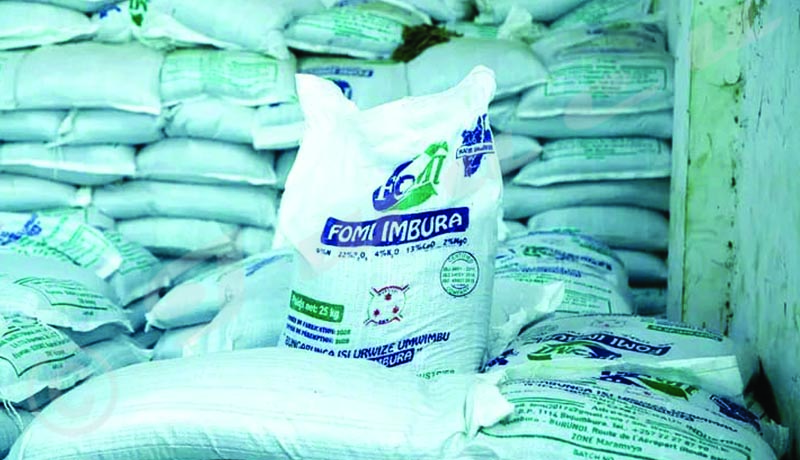
Agricultural output in the region has also faced setbacks. A shortage of chemical fertilizers led to a significant reduction in bean harvests this year. This decline impacts food security and the incomes of many in Rutana who depend on agriculture. The challenges in transport and agriculture highlight the complex economic environment within which women and youth are striving for self-development. Despite these obstacles, local initiatives continue, often requiring individuals to adapt their strategies to sustain their livelihoods. These conditions show the resourcefulness needed to maintain economic activities in the face of fluctuating costs and reduced yields. The increased operational expenses, particularly for essential goods and agricultural inputs, pose a substantial hurdle for small-scale traders and farmers. The interconnectedness of these issues means that a single problem, such as fuel scarcity, can ripple through various sectors, affecting both the supply chain and agricultural productivity. The reported bean harvest reduction adds another layer of difficulty for a community already navigating high transport costs.
Pioneering Entrepreneurship and Association
Josiane Niyogushima, who is in her thirties, works in a sewing workshop located near the market in Rutana center. She joined the association "Gukora ni urupfunguruzo rw’iterambere iwacu" (Working is the key to our development) to further her entrepreneurial efforts. Niyogushima stated that her involvement is already proving beneficial. "L’intérêt est déjà là. J’aide mon conjoint à faire vivre la famille. Il suffit de travailler et de suivre de près les rendements au quotidien. Des bénéfices, nous en avons et on se développe peu à peu," she explained, noting the gradual development and profits her work generates.
A credit of 9,850,000 BIF was granted to Josiane Niyogushima and her colleagues within the association, with a repayment period set for three years. This financial support aims to bolster their business activities and promote economic self-sufficiency. Odile Nininahazwe also completed professional training in sewing and is a member of the same association. Nininahazwe detailed the inclusive approach of their group, noting, "Nous faisons des recrutements. Une personne peut venir avec ou sans machine. Cela ne l’empêche pas de travailler si elle en trouve une qui est disponible." This indicates an effort to integrate individuals regardless of their initial access to equipment.
Beyond sewing, other young entrepreneurs in Rutana are diversifying their income streams. Yvonne Nsengiyumva sells phone units, while also raising goats and pigs. Nsengiyumva maintains a bank account, indicating a structured approach to managing her finances. Gilbert Bikorimana, a 33-year-old from Rutana zone, works as a photographer. He also invests in agriculture and livestock, demonstrating a multi-faceted strategy for economic stability. Bikorimana asserted that entrepreneurship contributes significantly to national development. "L’entrepreneuriat constitue également une contribution importante au développement du pays," he stated, adding that the state cannot provide employment for every young person.
Bikorimana also noted challenges faced by entrepreneurs, particularly regarding resources. "Nous ne disposons pas de matériel suffisant. Cela nuit à notre réputation et certains clients finissent par nous quitter," he explained, pointing to how inadequate equipment can impact client retention. Addressing broader agricultural issues, Bikorimana noted that a shortage of chemical fertilizers had a severe impact on local harvests. "Cela a réduit considérablement les récoltes de haricots," he said, reflecting on the decline in bean yields. Despite these obstacles, Bikorimana maintained that self-employment is a key avenue for the youth, emphasizing, "L’État ne peut pas offrir un emploi à chaque jeune. L’entrepreneuriat constitue également une contribution importante au développement du pays."
Navigating Systemic Hurdles and Migration
Land in the Moso region, once known for its fertility, now demands substantial financial investment for organo-mineral fertilizers, according to local observations. This economic strain, combined with high operational costs, has impacted entrepreneurs. Gérard Nimbesha, for instance, initiated a trade with 500,000 BIF but lost his entire capital due to elevated transport expenses. "C’est la quatrième fois que j’essaie de faire le commerce et à chaque fois, c’est le même résultat," Nimbesha stated, detailing his experience. He explained, "J’avais commencé avec un capital de 500 mille BIF en achetant du manioc à Giharo pour le revendre ici à Rutana. Mais, avec la pénurie des carburants, le prix du transport a tout accaparé. Je me suis retrouvé avec zéro franc en poche." Similarly, Micheline Ndayiziga, a vendor of second-hand clothing, has reduced her business operations due to high transport costs.
Gilbert Bikorimana's group received financing from the Programme d’autonomisation économique et d’emplois des jeunes (PAEEJ) for their photography business. Bikorimana noted that entrepreneurship contributes significantly to national development. "L’entrepreneuriat constitue également une contribution importante au développement du pays," he said, adding that the state cannot provide employment for every young person. He also noted equipment shortages as a challenge, stating, "Nous ne disposons pas de matériel suffisant. Cela nuit à notre réputation et certains clients finissent par nous quitter." Bikorimana further observed that a shortage of chemical fertilizers severely impacted local harvests, specifically mentioning, "Cela a réduit considérablement les récoltes de haricots."
Many young people from Rutana are migrating to Tanzania in search of work. Sylvestre Nahimana, 30, from Mika hill, stated that Tanzania has become his "second home" due to better opportunities. "La Tanzanie est devenue ma seconde patrie," Nahimana explained, adding, "La vache que je possède et la maison où je loge ma famille sont le fruit d’un dur labeur de l’autre côté de la frontière. Pour la plupart des jeunes d’ici, c’est la seule et unique issue." He attributed this migration to the financial demands of local enterprise, concluding, "Cela demande beaucoup de moyens financiers. D’où l’exode des jeunes et des hommes encore forts pour chercher de l’emploi en Tanzanie."
Resilience and the Future of Rutana
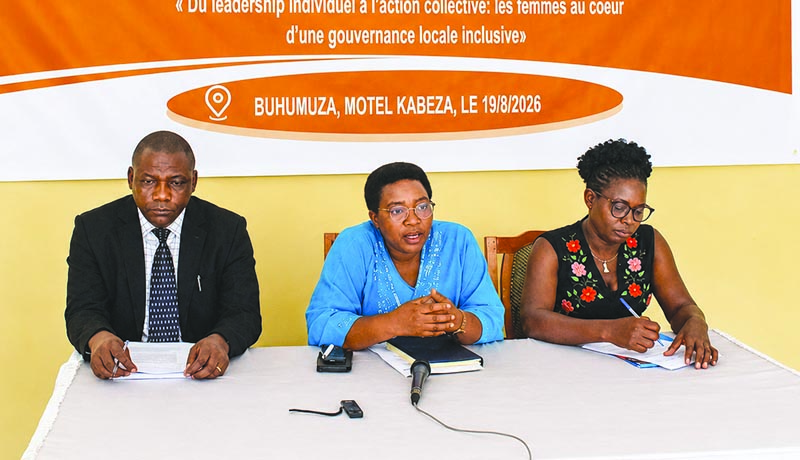
Sophie Nizigiyimana has served as the head of the Rutana zone since September 2025. Women lead three zones within Rutana commune, including Rutana, Butare, and Kivoga. Nizigiyimana noted that women are active in various sectors beyond agro-pastoralism, including commerce and associative groups. "En plus du domaine de l’agro-élevage, les femmes sont aussi actives dans le commerce et les groupements associatifs. Elles sont même visibles au marché en train de vendre divers articles," Nizigiyimana stated. She added that women frequently provide each other with credit through regular savings and that agricultural associations can rent fields seasonally. "Elles s’octroient mutuellement des crédits à travers des épargnes qu’elles opèrent régulièrement. Les cultivatrices réunies en associations peuvent louer des champs selon les saisons," she explained.
Despite these efforts, challenges persist. Nizigiyimana noted obstacles such as limited capital for businesswomen, climatic uncertainties affecting female farmers, and maternal obligations. "Soit les capitaux sont maigres pour celles qui sont dans le commerce soit les aléas climatiques perturbent les cultivatrices. Les obligations maternelles constituent également un handicap d’une certaine manière," she observed. In another development, Charles Niyongabo and his colleagues in a carpentry cooperative received credit from the Programme d’autonomisation économique et d’emplois des jeunes (PAEEJ) to acquire electric carpentry equipment. Niyongabo's cooperative, which has approximately ten members, received its equipment through a project submitted to PAEEJ. He stated that while the credit enabled them to purchase machines, they lack sufficient working capital to buy large quantities of planks and expand their workshop. "Le crédit nous a permis d’acheter les machines, mais nous n’avons plus de fonds de roulement pour acheter les planches en grande quantité et agrandir l’atelier," Niyongabo said. He added that without substantial capital, they cannot bid on public or private tenders. "Sans un grand capital, nous ne pouvons pas soumissionner à certains appels d’offres publics ou privés," he explained.