The World Meteorological Organization (WMO) announced on Thursday, September 3rd, that El Niño has already established itself, with a near-certain probability of persisting until February 2027. This persistence shows the long-term nature of the climatic event. The WMO forecasts that neighboring Kenya, Uganda, Rwanda, Tanzania, and Somalia will face the same phenomenon during the rainy season from October to December. The current El Niño is expected to intensify and become a very powerful phenomenon, posing significant challenges to the region.
Regional Impacts Forecasted
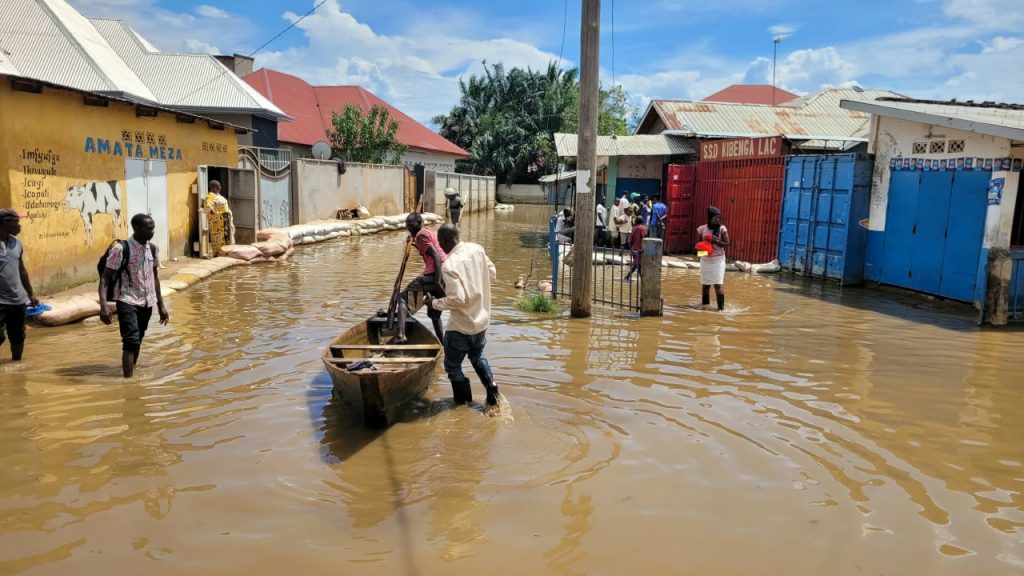
In East Africa, a powerful El Niño episode, particularly when combined with a positive Indian Ocean dipole, typically leads to shorter but more abundant rainfall than usual. This specific combination of climatic factors creates a heightened risk profile for the region. The increased precipitation raises the near certainty of floods, landslides, inundated agricultural fields, and damaged roads across the region. These risks are not merely theoretical; they are almost certain outcomes given the projected strength of the El Niño. Additionally, the altered weather patterns are expected to elevate the risk of epidemics, further compounding the humanitarian and public health challenges. The WMO’s assessment notes the critical need for preparedness given these almost certain adverse impacts.
Urgent Preparation Measures
Authorities have outlined immediate action points to mitigate the potential impacts of the impending El Niño. These measures include strengthening national meteorological services, which is key for accurate forecasting and early warning systems. Another key action point involves pre-positioning survival tools and conducting thorough cleaning of drainage systems to manage excess water flow and prevent blockages. Governments are also advised to focus on protecting crops before sowing and providing guidance to farmers, thereby safeguarding agricultural livelihoods and food security. Further preparation involves repairing roads and bridges to ensure infrastructure resilience and maintain connectivity for aid and emergency services. Finally, coordinating efforts across national borders is essential to address regional challenges, as the impacts of El Niño do not respect political boundaries. These five immediate action points form a full strategy for regional resilience.
Citizens are also urged to undertake specific preparedness activities to protect themselves and their property. These recommendations include clearing drainage areas around their homes to prevent localized flooding and avoiding construction in areas identified as flood-prone, thereby reducing exposure to risk. Individuals should also ensure important documents and seeds are stored in safe, elevated locations to protect vital records and future food sources from water damage. Relying on official alerts and information from recognized authorities is emphasized for timely and accurate guidance during the El Niño event, ensuring that communities receive credible information to act effectively.
Call for Exceptional Response
The El Niño phenomenon is projected to intensify, evolving into a very powerful event. This intensification carries significant implications for the already vulnerable East African region. For East Africa, this intensification points to a critical period from October 2026 to February 2027, when the effects are expected to be most pronounced. Burundi, specifically, is identified as a region that will be particularly affected during these months, necessitating focused attention and resources. The anticipated strength of El Niño necessitates an exceptional response from regional governments and international partners to mitigate its potential adverse effects. This includes proactive measures to protect vulnerable populations and infrastructure, ensuring that communities are not only prepared but also supported through what is expected to be a challenging climatic period. The near-certain probability of El Niño persisting until February 2027 shows the sustained effort required for effective management and humanitarian assistance.