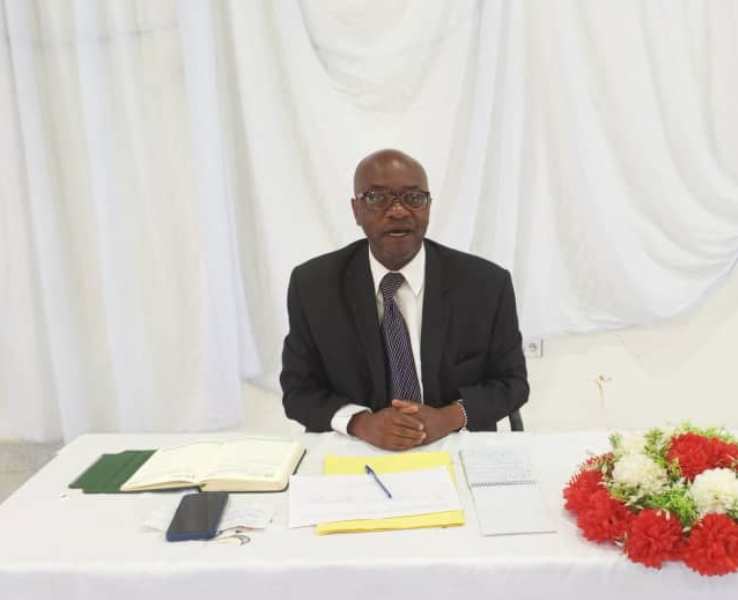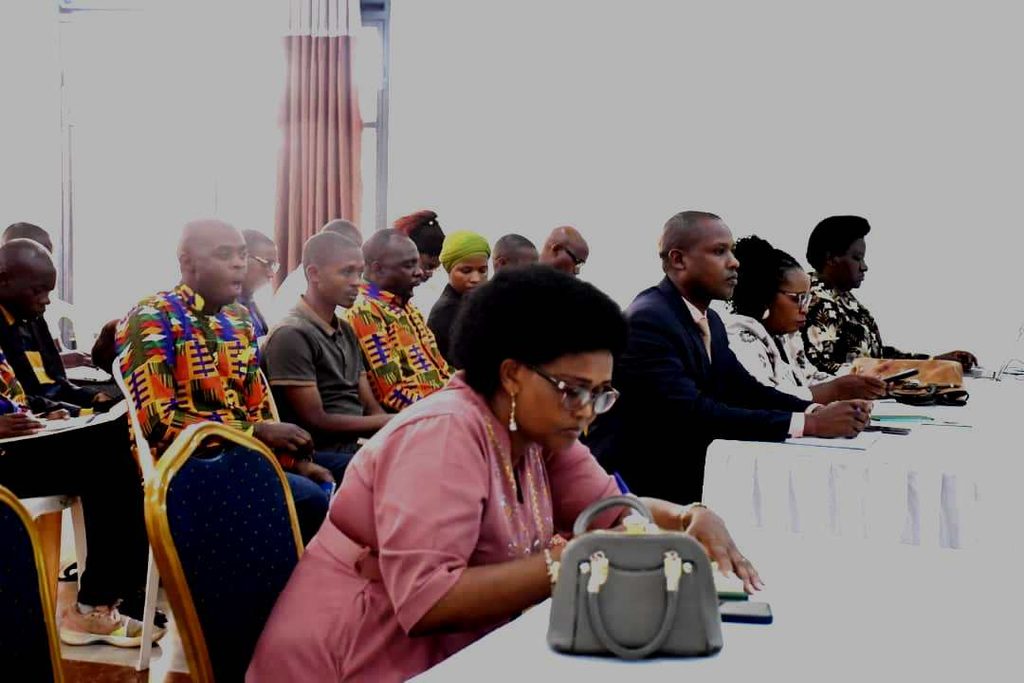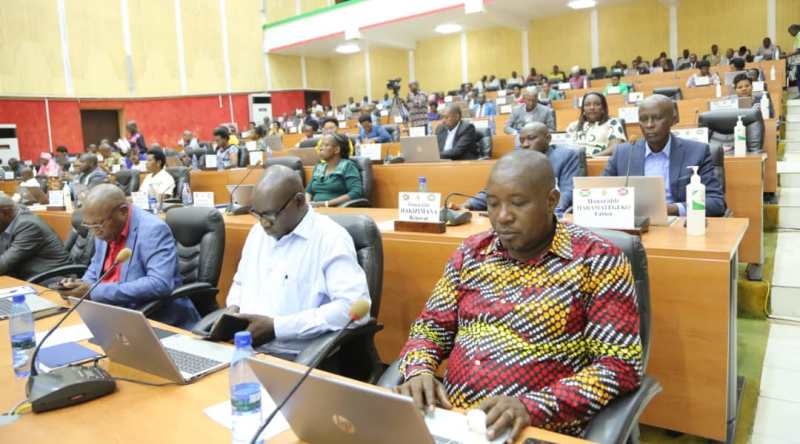
The National Assembly meticulously analyzed the definitive audit report on the management of the Directorate General of Penitentiary Affairs (DGAP) on September 7, 2026. This significant session, which specifically concerned the Rumonge prison, was convened in the Kigobe hemicycle, serving as the legislative body's formal setting for such critical deliberations. The proceedings were presided over by Daniel Gélase Ndabirabe, the distinguished President of the National Assembly, showing the importance attached to the findings. Patricie Nduwimana, in her capacity as President of the Permanent Commission for Education, Youth, Sports and Leisure, Culture and Communication, was tasked with presenting the full audit report to the assembled members of parliament. The report, a product of thorough investigation, noted several widespread management shortcomings observed at the Rumonge prison, painting a clear picture of deficiencies within the facility's operational framework.
Audit Reveals Management Failures
The definitive audit report on the Directorate General of Penitentiary Affairs (DGAP) meticulously detailed a range of significant management deficiencies specifically identified at Rumonge central prison. A primary and particularly concerning issue brought to light was the complete absence of updated internal regulations governing the prison's operations. The report showed the severity of this oversight by specifying that these key regulations had not been revised or updated for a period of thirteen years. This prolonged lack of revision indicated a substantial lapse in administrative oversight and a failure to adapt to evolving standards or requirements within the penitentiary system.
Further management issues uncovered by the auditors included a systemic failure to maintain essential administrative registers. Auditors found that critical records, such as those detailing accommodation assignments, documenting inmate deaths, and tracking seized goods, were not being consistently or properly kept. This significant lapse in record-keeping impeded proper tracking, accountability, and transparency within the facility, making it difficult to monitor inmate movements, manage property, or accurately account for incidents. Additionally, the non-display of inmates' rights and duties was noted as another critical shortcoming. This omission meant that prisoners were potentially unaware of their fundamental entitlements and obligations, a situation that could undermine fair treatment and due process within the institution.
The audit additionally noted practical deficiencies that directly impacted the well-being of the incarcerated population, particularly concerning healthcare provisions. The report documented recurring stockouts of essential medicines and pharmaceutical products at the Rumonge prison health center. This critical shortage indicated potential risks to the health and well-being of the incarcerated population, as a lack of essential medical supplies could lead to delayed or inadequate treatment for various ailments and conditions. The findings collectively pointed to a need for urgent and full reforms to address the multifaceted challenges within the prison's management and operational structure.
Recommendations for Improvement
In response to the identified deficiencies, the audit report put forth several actionable recommendations aimed at fostering improvement and enhancing accountability within the penitentiary system. One key recommendation was that the Directorate General of Penitentiary Affairs (DGAP)'s Annual Work and Budget Plan (PTBA) should incorporate specific funding allocations for livestock and agricultural activities. This strategic inclusion aims to achieve multiple objectives: enhancing self-sufficiency within the prison system by producing food, providing vocational training opportunities for inmates, and contributing to their rehabilitation through productive work. To ensure transparency and effective resource management, the report further advised the establishment of a dedicated register. This register would be used to meticulously track the production outputs generated from these livestock and agricultural endeavors, thereby ensuring proper accountability for resources and yields.
Separately, the Cour des comptes, the supreme audit institution which conducted the audit, put forth a key recommendation for the DGAP to subscribe to a full global insurance policy. This policy would specifically cover fire incidents, thereby providing essential protection for prison assets and infrastructure from potential damage and financial loss. Addressing the critical healthcare shortages, the report called for collaborative efforts between two key government ministries: the Ministry of Justice and the Ministry of Public Health. This inter-ministerial collaboration is intended to guarantee a consistent and regular supply of essential medicines to prison health centers across the country, directly addressing the previously identified deficiencies in pharmaceutical stock at facilities like Rumonge prison. These recommendations collectively aim to bolster the operational resilience, financial security, and humanitarian standards within the penitentiary system.
Deputies Demand Systemic Change
During the session, Deputies at the National Assembly voiced profound concerns and subsequently called on the Minister of Justice, Human Rights and Gender to address the deficiencies not just at Rumonge prison, but across all penitentiary establishments within the nation. Their appeal was rooted in a belief that the issues observed at Rumonge prison were not isolated incidents but rather symptomatic of broader, systemic problems. "Les députés appellent le ministre au redressement de la situation de tous les établissements pénitentiaires car la situation apparait semblable," legislators stated emphatically, urging for systemic rectification that extends beyond a single facility. This indicates a broader concern among deputies regarding the overall state of prison management and the welfare of inmates nationwide.
In a responsive move, the Ministry of Justice, Human Rights and Gender is actively engaged in updating various judicial sector texts. These key updates include the internal regulations specifically for penitentiary establishments, a direct response to one of the key shortcomings identified in the audit report regarding the outdated regulations at Rumonge prison. This initiative by the Ministry of Justice, Human Rights and Gender is expected to provide a modern and legally sound framework for the administration of prisons, aiming to improve management practices, ensure inmate rights, and enhance the overall functioning of the penitentiary system. The full nature of these updates suggests a commitment to addressing the systemic issues noted by the National Assembly and the audit report.