Education officials in Muramvya commune are intensifying preparations to accommodate students under improved conditions for the 2026-2027 school year. These extensive efforts are being undertaken with a clear objective: to ensure that all students returning to classrooms in the upcoming academic year are met with an environment conducive to learning and growth. Preparations are actively underway within the Communal Department of Education, reflecting a proactive approach to the challenges ahead. However, the task presents significant challenges due to a persistent shortage of teachers, inadequate infrastructure, and high student-to-teacher ratios in several classes, particularly impacting the quality of education delivered. The education officials of Muramvya commune are multiplying preparations to welcome students in better conditions for the 2026-2027 school year, acknowledging the critical need for full improvements. The task remains difficult, however, due to a lack of teachers, insufficient infrastructure, and high student numbers in some classes, which collectively pose substantial hurdles.
Ongoing Preparatory Actions
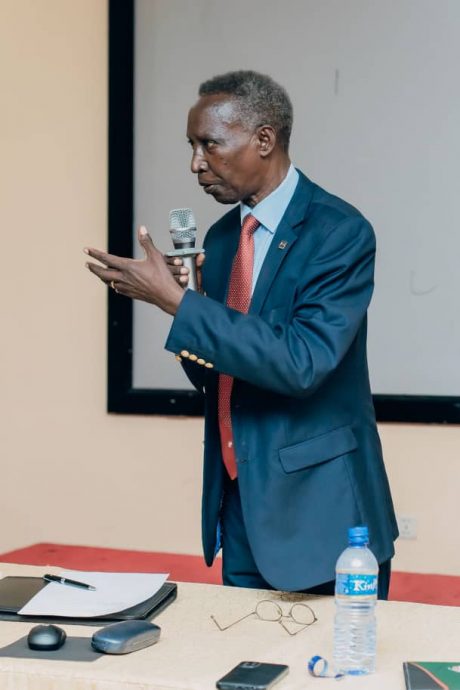
The Communal Department of Education is spearheading a series of preparatory actions to address these multifaceted challenges. Meetings with school officials have already been organized as a key first step in this extensive planning process, fostering direct communication and collaboration. One such important meeting was held on Monday, August 24, 2026, bringing together key stakeholders to discuss upcoming requirements and strategies. The Communal Department of Education is planning a capacity-building session for inspectors, designed to enhance their oversight capabilities and ensure the effective implementation of educational standards. This vital training is scheduled from August 26 to 28 at CFP Muramvya, providing a dedicated period for professional development.
As part of these careful preparations, Muramvya education officials are diligently surveying the expected student numbers in each school. This detailed assessment is critical to accurately adapt the number of classrooms and teachers required to meet the anticipated enrollment, thereby optimizing resource allocation. The availability of school textbooks will also be verified as part of the preparations, ensuring that essential learning materials are readily accessible to all students from the start of the academic year. Beyond academic resources, a strong emphasis is being placed on hygiene within educational establishments. Particular attention is being paid to the cleanliness and functionality of latrines, classrooms, and their immediate surroundings, recognizing that a hygienic environment is fundamental to ensuring a conducive and healthy learning atmosphere for both students and staff.
Addressing Infrastructure Needs
School infrastructure development is identified as a primary focus within the department's strategic plan. This critical area involves both the thorough verification of existing facilities to assess their current condition and the strategic extension of classrooms. Specifically, classrooms designated for first and seventh-year students are being prioritized for expansion to accommodate anticipated new enrollments, reflecting the high student numbers in these foundational years. The goal is to prevent overcrowding and ensure adequate space for effective instruction.
In a collaborative effort, Muramvya commune and its partners are actively delivering essential furniture, such as benches and desks, to beneficiary schools as part of these preparations. This initiative aims to equip classrooms with the necessary furnishings to support a comfortable and functional learning environment. Specific attention will also be given to catering services in boarding schools, ensuring that students receive nutritious meals, and to the overall reception conditions for students, aiming for a welcoming and organized start to the school year. The rising prices of school supplies on the market are also identified as a contributing factor impacting the department's efforts, adding a layer of financial complexity to the procurement process and overall budget management. This economic pressure necessitates careful planning and resource allocation to ensure all students have access to the materials they need.
Teacher Shortages and Class Sizes
The Muramvya Communal Department of Education faces significant and persistent challenges that directly impact the quality of education. These include high student numbers in first and seventh-year classes, which place considerable strain on existing resources and teacher capacity. Insufficient infrastructure further complicates the situation, leading to overcrowded classrooms and limitations on effective teaching methodologies. A critical shortage of teachers also contributes to these difficulties, primarily due to unreplaced departures. This ongoing issue means that many vacancies remain unfilled, increasing the workload on existing staff and potentially compromising the student-to-teacher ratio. The challenges, including high student numbers in first and seventh-year classes, insufficient infrastructure, and a shortage of teachers due to unreplaced departures, are actively being addressed by education officials. Education officials acknowledge that these combined factors create a complex environment that requires sustained effort and strategic interventions to overcome.