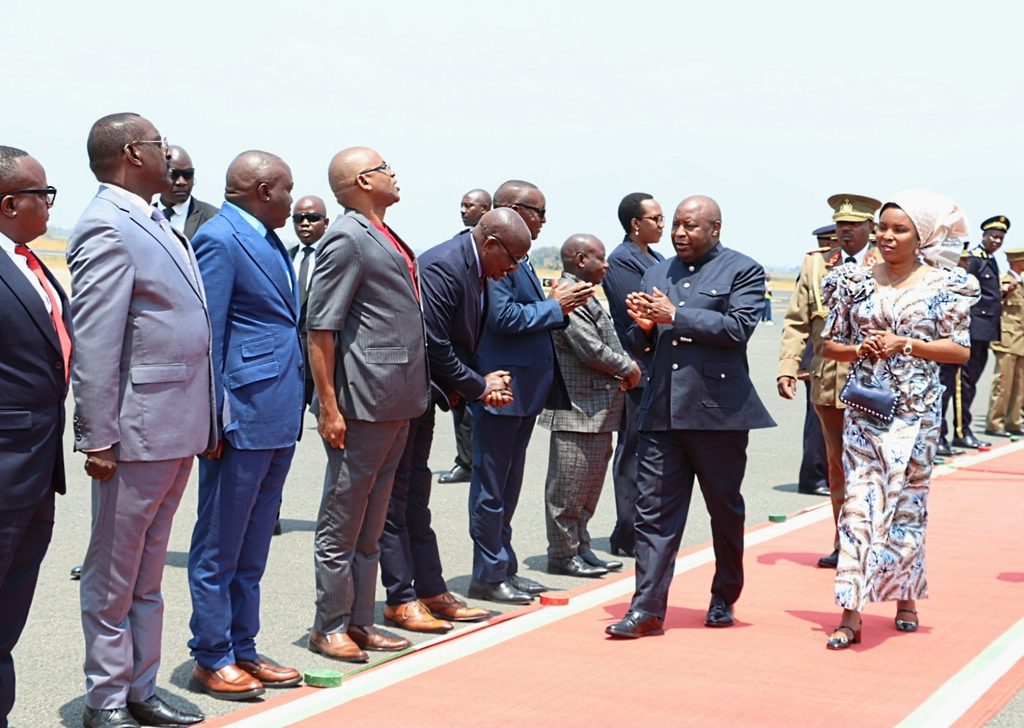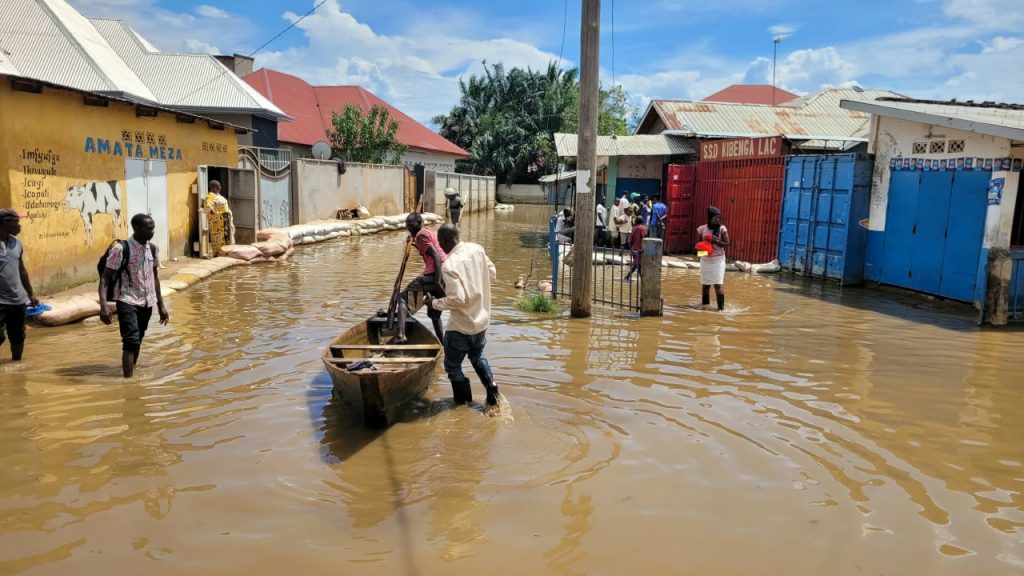
Senators elected in the constituency of Butanyerera province are continuing their tour of the communes within the province, where they have identified significant educational challenges. During their ongoing visits, the senators found that the entire Commune Muhanga currently lacks any boarding schools. This absence creates difficulties for students seeking residential education within the commune, potentially impacting their academic performance and access to quality learning environments. The findings highlight a critical infrastructure gap that local authorities are urged to address.
Senate Tour and Findings
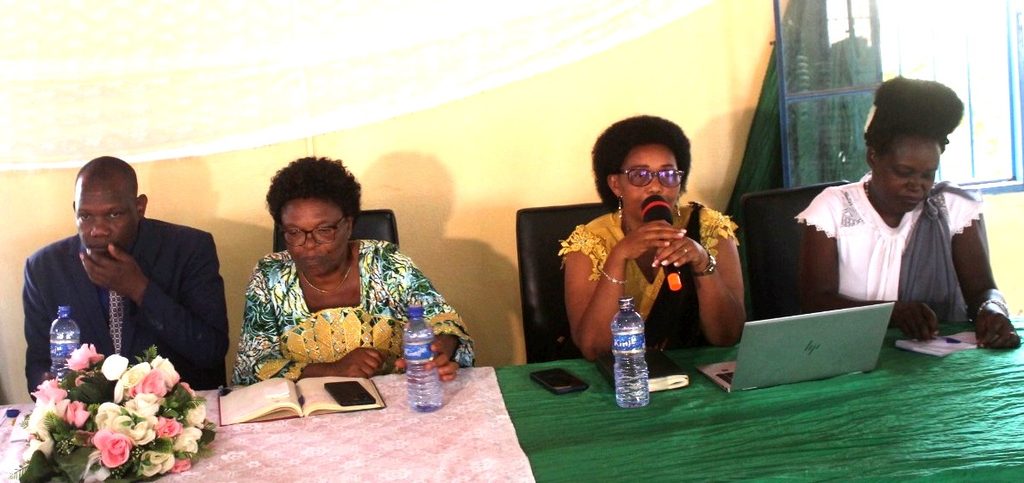
A delegation led by Senator Berchmas Nzoyihaya held a meeting with administrative officials of Muhanga commune on Wednesday, September 9, 2026. This meeting was part of a broader assessment, as the Senate had conducted a tour of the communes in October 2025 to evaluate their functioning and identify areas requiring intervention. The absence of boarding schools in Commune Muhanga has been identified as a significant factor affecting educational outcomes, particularly for students from remote areas or those whose home environments are not conducive to study. Officials noted that this situation is one of the reasons why the commune frequently achieves weak results in national evaluations and examinations, a trend that raises concerns among educators and parents alike. The Senate's findings show the challenges faced by students in the region due to limited residential educational facilities, suggesting a direct correlation between infrastructure and academic success. The senators emphasized the importance of providing full educational support to all students, regardless of their geographical location within the commune.
Administrative Challenges and Reforms
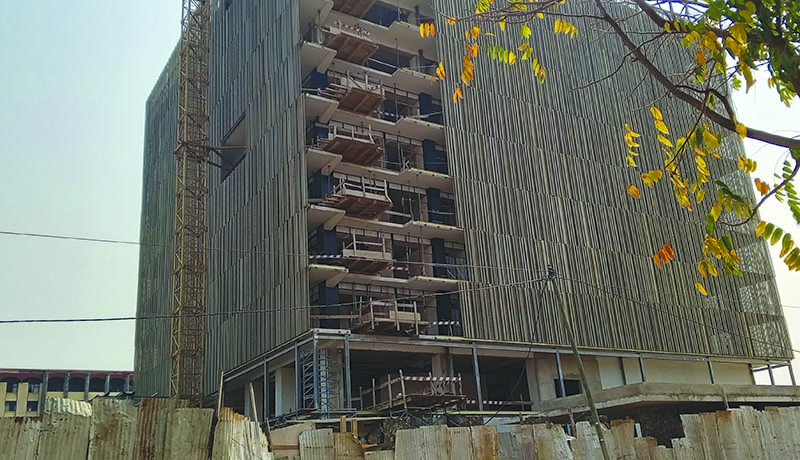
The implementation of the policy aimed at bringing administration closer to citizens initially faced several difficulties, according to officials. These challenges included logistical hurdles, insufficient resources, and a lack of adequate infrastructure to support decentralized services. These initial difficulties have prompted local authorities to consider new infrastructure projects as a means to overcome past obstacles and enhance public service delivery. The Commune Muhanga is currently preparing a project for the construction of a five-story administrative building. This ambitious development is part of ongoing efforts to enhance administrative capacity and service delivery within the commune, aiming to create a more efficient and accessible governmental presence for residents. The new structure is intended to consolidate various administrative functions under one roof, potentially streamlining operations, improving inter-departmental coordination, and enhancing accessibility for residents who previously had to navigate multiple locations for different services. The initiative reflects a strategic move to address existing infrastructure limitations and support the broader goal of improved governance and citizen engagement. This project is seen as key for modernizing local administration and better serving the community's needs.
Teacher Shortages and Resources
Teacher shortages represent another significant challenge in Muhanga, directly impacting the quality and continuity of education. Thirty-three new teachers recently received their assignment letters, filling positions left vacant by departing staff and providing a much-needed boost to the local education system. However, the commune faces ongoing issues with retention; more than forty teachers are reportedly on the verge of leaving their jobs to go abroad in search of better opportunities or working conditions. This potential exodus threatens to exacerbate existing staffing problems within local schools, potentially leading to larger class sizes, a reduction in specialized subjects, and a decline in overall educational standards. The authorities are exploring strategies to improve teacher retention and attract more qualified educators to the region.
In terms of resources, efforts are underway to provide essential school supplies to students in need. Five hundred notebooks were distributed to one hundred students, with each child receiving five notebooks, an initiative aimed at alleviating some of the financial burden on families and ensuring students have basic tools for learning. Beyond educational provisions, the local economy faces other constraints that affect residents' livelihoods. Buyers of maize grains have reportedly set a limit of one ton per household, impacting agricultural sales for residents who rely on farming as their primary source of income. This restriction on maize sales can significantly reduce the earnings of local farmers, contributing to economic hardship in the commune. Addressing these multifaceted challenges, from education to administration and economic stability, remains a priority for local and provincial authorities.