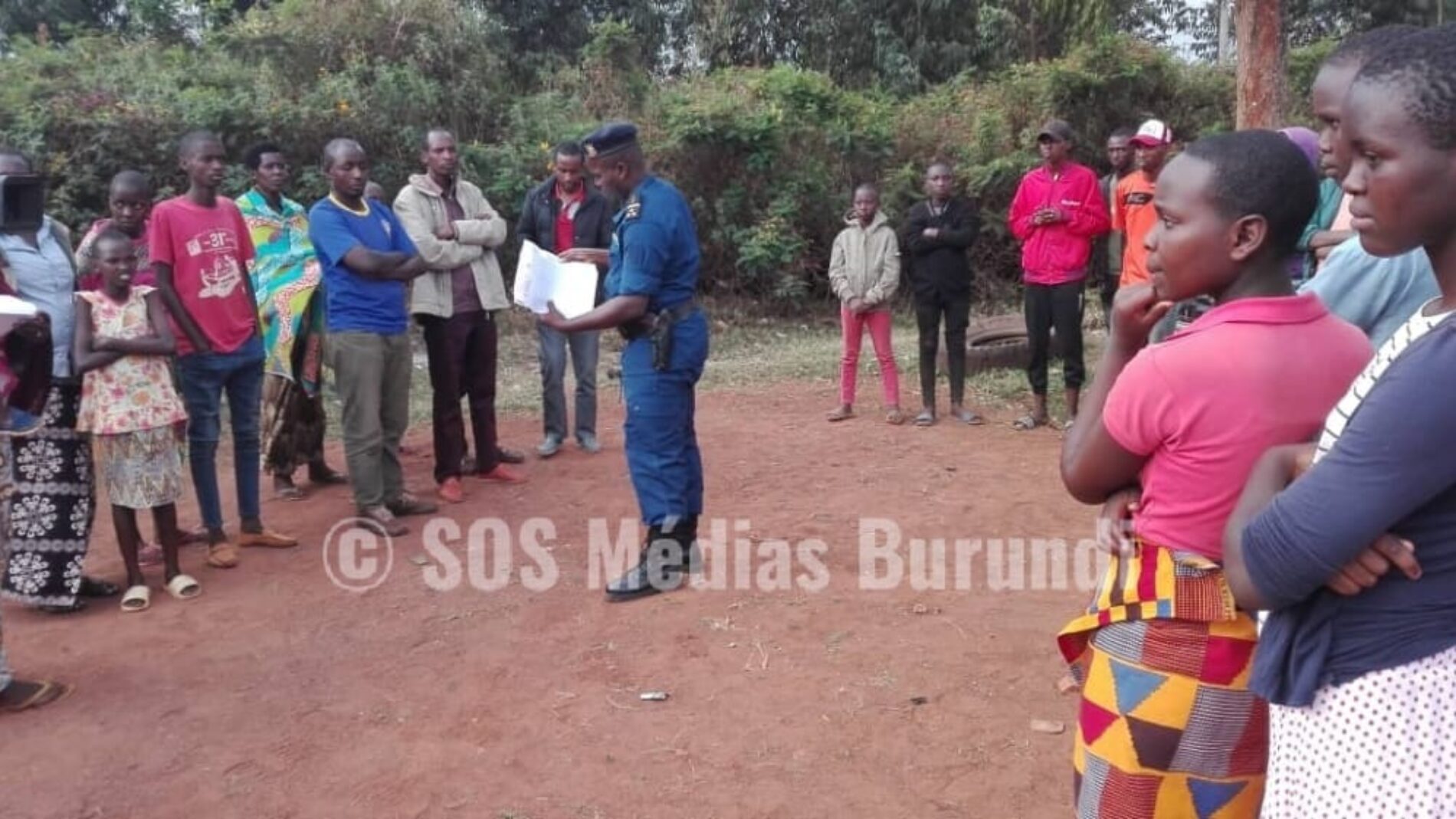
Police in Gitega, Burundi, conducted an operation on Saturday, September 5, 2026, targeting Congolese refugees who had relocated from camps. The operation specifically focused on Congolese refugees living outside designated camps. The refugees, primarily parents, had moved seeking better educational prospects for their children. They cited deteriorating learning conditions and insufficient educational opportunities within some of the established refugee camps as primary motivations for their relocation to Gitega. This movement notes the complex challenges faced by refugees in accessing adequate services within the existing camp structures.
Operation Details and Document Checks
The police operation on Saturday, September 5, 2026, specifically targeted the Karera and Swahili neighborhoods of Gitega, where many Congolese refugees had settled after leaving official camps. Authorities focused on verifying the documentation of individuals residing in these areas. During the operation, police officers checked residency documents and asked individuals to present papers that specifically authorize their urban residence. While the primary stated objective was to ensure compliance with residency regulations, the operation notably impacted refugees who had moved to Gitega with the aim of enrolling their children in local schools. Many of these refugees had previously resided in camps such as Mahama and Nduta, seeking improved educational environments beyond the facilities available in those settlements. The checks were part of broader efforts to manage the presence of refugees outside designated camps, showing the authorities' intent to regulate urban refugee populations.
Reasons for Urban Migration
Congolese refugees have been observed leaving established camps and relocating to various provinces across Burundi, including Gitega. This migration is primarily driven by their desire to secure educational opportunities for their children. Parents cite deteriorating learning conditions in some camps and insufficient educational opportunities as key reasons for their decision to move. Concurrently, some refugees express apprehension regarding the future of third-country resettlement programs. The uncertainty surrounding these programs contributes to their decision to seek alternative solutions, such as moving to urban centers like Gitega, where they hope to find better conditions and educational prospects for their families. This movement reflects a broader trend of refugees seeking to improve their living circumstances outside the confines of official camps, often at considerable personal risk due to uncertain legal status.
Residency Document Challenges
Refugees affected by the police operation reported difficulties in obtaining necessary permits for urban residence. They stated that the document previously issued by the Office national pour la protection des réfugiés et des apatrides (ONPRA), which permitted refugees to reside outside designated camps, is no longer being issued. This change in policy has created a significant hurdle for those seeking to live in urban areas like Gitega. Without this specific ONPRA document, refugees face challenges in regularizing their status and establishing lawful residency in provinces outside the official camp system. The absence of this key document complicates their efforts to secure housing and access essential services, including education for their children, in urban settings, leaving many in a precarious legal position.
Official Response and Refugee Concerns
Police officers checked residency documents during the operation, requiring individuals to present papers that specifically authorize their urban residence. As of the time of reporting, SOS Médias Burundi has not yet obtained an official reaction from either the police or the Office national pour la protection des réfugiés et des apatrides (ONPRA) concerning these arrests or the broader situation regarding urban residence documents for refugees. The lack of an official statement leaves the refugees' concerns about their legal status in urban areas unaddressed, contributing to ongoing uncertainty among the affected population.