Farmers in Gitega province are seeking information regarding the delivery of fertilizers, expressing anxiety over potential crop yield collapse due to shortages. The delay in receiving these essential agricultural inputs has raised profound concerns among the farming community across the region. In Gitega province, farmers are urgently asking when they will receive their much-needed fertilizers, as the planting season approaches and their fields remain unprepared.
Efforts to obtain further details on the situation from official sources proved unsuccessful. Information could not be obtained from the Provincial Directorate of Environment, Agriculture and Livestock in Gitega regarding the fertilizer distribution timeline or reasons for the delay. This lack of transparency from key government bodies has only amplified the uncertainty and frustration among local farmers.
Supply Chain Breakdown and Official Silence
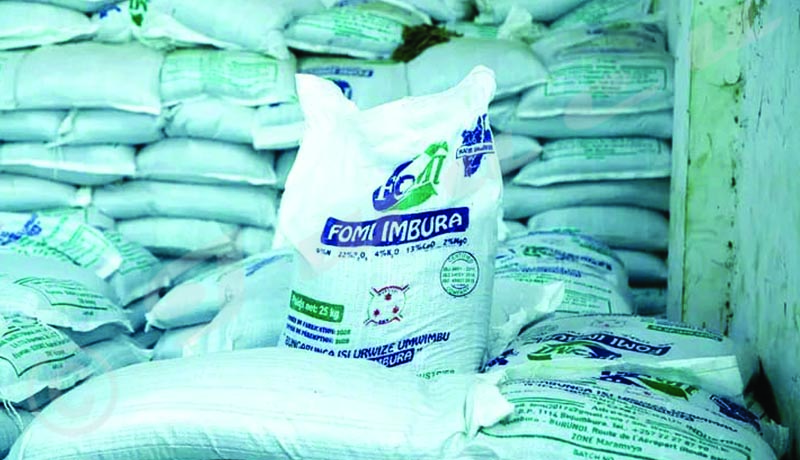
Farmers, typically supplied by Fomi fertilizers, currently report a complete absence of information regarding their deliveries. This situation leaves them in a precarious position, unable to plan their agricultural activities effectively. The supply mechanism for these vital agricultural inputs has faced persistent issues over several seasons, including delays, filtered distributions, and managerial opacity. These recurring problems have consistently undermined farmers' confidence in the official supply channels. Despite these ongoing challenges, the Direction of Fomi previously asserted in official communications that its production capacity was sufficient to meet the national demand for fertilizers. This earlier assurance now stands in stark contrast to the current reality of widespread shortages and lack of information, leading to questions about the accuracy of past statements and the current operational status of the supply chain. The persistent issues have created a climate of distrust and uncertainty for those dependent on these inputs.
Informal Market Thrives Amidst Scarcity
Neither the provincial directorates of agriculture (DPEAE), the ministry, nor representatives from Fomi, the fertilizer manufacturer, are currently providing information regarding the supply situation. This widespread official silence has left farmers without any reliable sources of information regarding the availability or distribution schedule of fertilizers. Amidst this official silence, Fomi fertilizer bags have started to reappear on the informal market, available at significantly inflated prices. This development notes a critical breakdown in the official distribution system and the emergence of alternative, unregulated channels. On the informal market, a single bag of Fomi fertilizer is selling for 120,000 FBu. This price represents a substantial increase compared to official rates, noting the severe scarcity impacting farmers in Gitega and placing an immense financial burden on them. The emergence of these fertilizers outside official channels shows the growing challenges in accessing key agricultural inputs through regular means. The lack of communication from authorities further exacerbates the uncertainty for local farmers, forcing many to consider desperate measures to secure their harvests.
Desperate Measures and Farmer Concerns
The fertilizer supply system in Gitega requires farmers to make advance payments to supervising structures to guarantee their allocation. This system, designed to ensure orderly distribution, now places farmers in a difficult position, having paid for inputs that have not materialized. Amidst the current shortage, local administrative and agricultural authorities have launched awareness campaigns encouraging households to construct compost bins. This initiative aims to provide alternative nutrient sources for crops in the absence of chemical fertilizers. However, farmers face a significant challenge as their soils have been accustomed to chemical and organo-mineral fertilizers for many years. The reliance on these commercial inputs has established a specific soil nutrient profile, making a sudden transition to compost a difficult adjustment for agricultural productivity. The need for advance payments for uncertain allocations, coupled with the long-term dependency on synthetic fertilizers, exacerbates the anxiety among farmers regarding their upcoming harvests. The sudden shift to compost, while environmentally sound, presents practical difficulties for farmers whose farming practices have been shaped by years of using commercial fertilizers.
Outlook: Yield Drop and Food Security Risks
Farmers are concerned that compost takes months to decompose, while the rainy season is imminent. A sudden shift to solely compost without preparation or sufficient volume will not compensate for the nutritional deficit in the fields for this season. This timing issue is critical, as compost requires a considerable period to break down and release nutrients into the soil effectively, a timeframe that does not align with the immediate needs of the impending planting season. Without adequate mineral input on overexploited land, a significant drop in yields seems inevitable. This situation poses a severe risk of scarcity or famine in the coming months for the region, threatening the food security of thousands of households. The potential for widespread crop failure due to the fertilizer shortage could have devastating long-term consequences for the livelihoods of farmers and the broader economy of Gitega province.