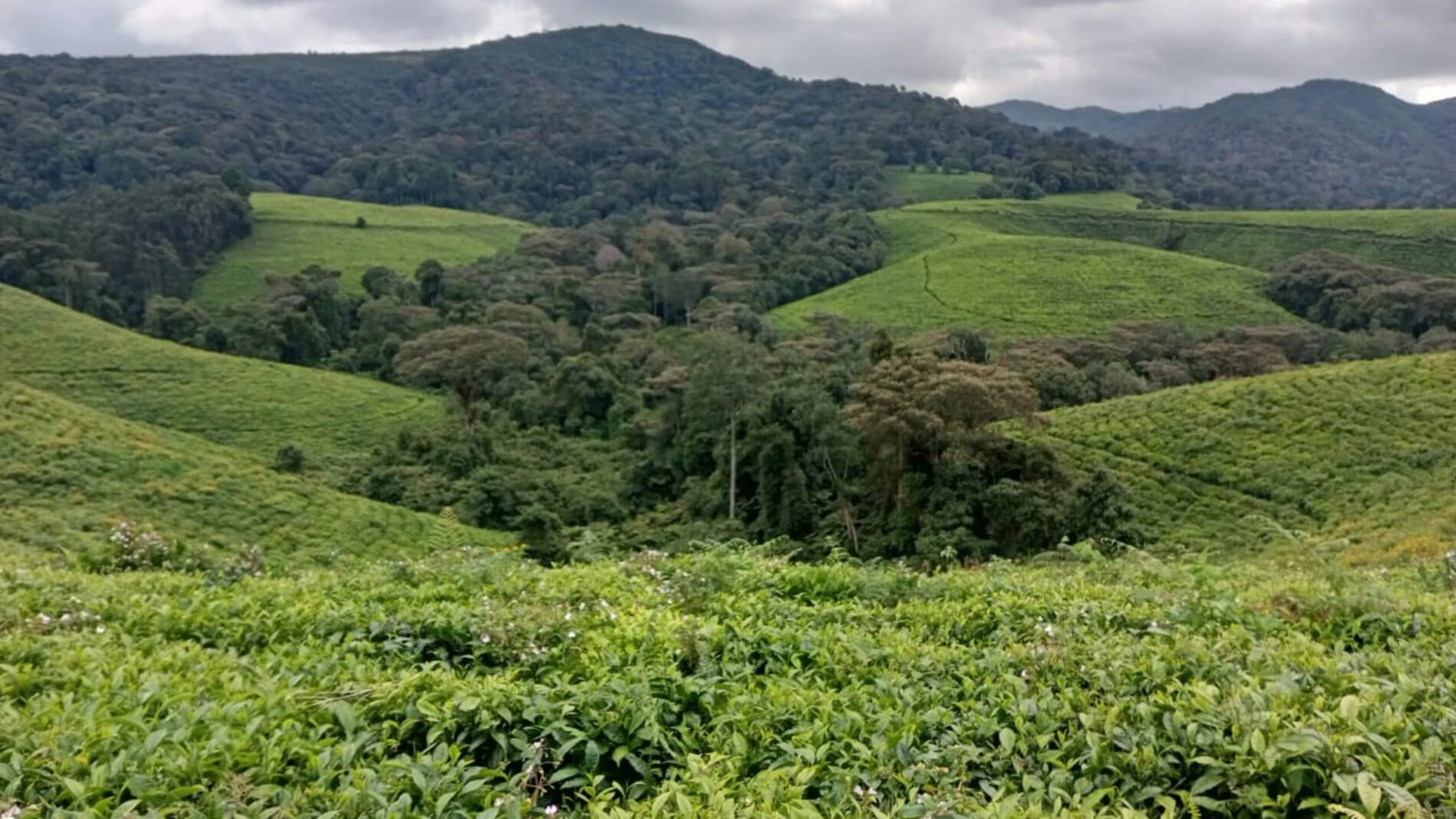
Commune Kayanza in Burundi is experiencing significant economic growth, driven by a surge in its export crop sector. The commune Kayanza is experiencing unprecedented momentum in the cash crop sector. This momentum is attributed to rising coffee purchase prices, increased mobilization around tea production, and the rapid expansion of avocado orchards cultivating the 'Ruhere' variety. These factors collectively contribute to a notable revaluation of key agricultural exports in the region, signaling a vibrant period for the local economy.
Coffee Sector Surge
These activities are strengthening household purchasing power, generating tax revenue for the Commune Kayanza, and attracting valuable foreign currency to Burundi. This progress aligns with Burundi's national development objectives for 2040 and 2060, moving the country closer to its long-term development goals. A particularly positive development for local producers is that they are now receiving their payments very quickly, a significant change from the chronic delays observed in previous years. This prompt payment system has instilled greater confidence and stability among farmers. Farmers are actively engaged in watering young coffee shoots daily and performing grafting techniques to optimize future production yields. This dedicated effort in the fields reflects a commitment to enhancing the quality and quantity of their coffee harvests, directly contributing to the sector's overall growth.
Avocado Expansion and Tea Aspirations
The population in Commune Kayanza has engaged in massive planting of 'Ruhere' avocado trees. This initiative is part of a broader agricultural push aimed at diversifying and strengthening the region's export capabilities. According to local officials, the directive requiring each household to plant at least ten 'Ruhere' avocado trees is well understood and widely applied across the region. This widespread adoption reflects community engagement in the export crop revaluation efforts, demonstrating a collective commitment to agricultural development. The rapid expansion of these orchards is expected to yield substantial economic benefits in the coming years, establishing avocados as a significant export commodity for Kayanza.
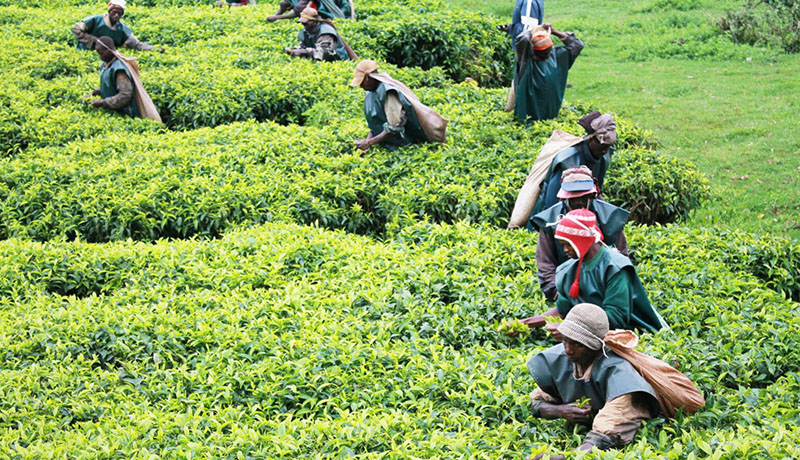
Beyond avocados, the Burundian state is actively considering requests from tea growers in Kayanza. This consideration signals potential future expansion or support for the tea sector, which is another significant export crop for the region. The government's attention to both avocado and tea production shows a diversified approach to boosting agricultural exports and economic growth in Commune Kayanza. The state is already considering the request from tea growers for a revaluation of their produce, indicating responsiveness to the needs of different agricultural communities.
Local and National Impact
The Burundian government's decision to increase the price of coffee has had a dual impact, according to local reports. The higher prices have reportedly discouraged fraudulent practices within the coffee trade, leading to a more transparent and equitable market. Concurrently, the revaluation has motivated coffee cultivators to intensify their efforts in the fields, aiming for improved yields and quality. This strategic price adjustment is seen as a key factor in the current economic revaluation observed in Commune Kayanza, contributing to both producer incentives and market integrity. The increased transparency and producer motivation are vital for the long-term sustainability and growth of the coffee sector.
Producer Sentiment and Government Action
Coffee production has seen a significant increase this season, contributing to the overall economic uplift in Kayanza. This surge in production is a direct result of the enhanced efforts by farmers and the improved market conditions. Separately, tea growers are requesting a revaluation of the purchase price per kilogram for their produce. They aim to align their income with that of coffee growers, according to reports from the region. This request notes ongoing discussions within the agricultural sector regarding equitable compensation across different export crops, ensuring that all farmers benefit from the region's economic growth. The government's consideration of this request is key for maintaining balance and fairness across Kayanza's diverse agricultural landscape.