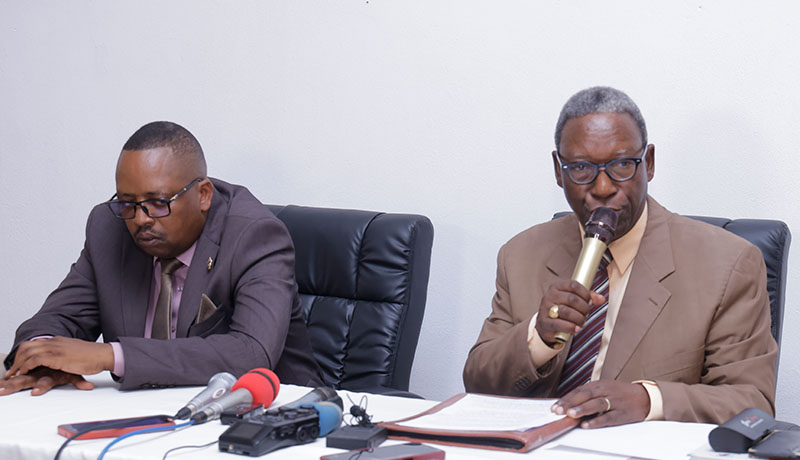
The Commission Vérité et Réconciliation (CVR) held an atelier in Gitega from 16 October to 17 October 2026. This meeting served as a forum for the organization to present findings regarding systemic exclusion within Burundi. Participants examined internal reports detailing historical processes and administrative practices that impacted various communities. Officials from the commission led the sessions to address these specific patterns of exclusion identified during their recent investigations. Members of the CVR used the two-day event to finalize documentation intended for broader public review. The assembly concluded on 17 October following the completion of the scheduled review process in Gitega.
Colonial Roots of Stratification
Commission Vérité et Réconciliation findings identify the Groupe scolaire d'Astrida as an instrument of social stratification during the colonial period. Laurent Kavakure, commissaire, noted that administrative practices extended beyond elite institutions to influence early education. "Parmi ces pratiques, le fichage ethnique à l’école primaire, comme à Kirundo ou Rumonge, ont révélé que les copies des élèves étaient secrètement marquées de lettres i et u," said Laurent Kavakure. These mechanisms established early divisions within the school system, according to the commission’s research. Pierre-Claver Ndayicariye, président de la CVR, emphasized the broader objective of these investigations regarding the national memory. "Le peuple burundais souhaite faire passer le passé pour le plus jamais ça," Pierre-Claver Ndayicariye stated. The findings remain subject to further public review.
Institutionalized Discrimination After Independence
Participants in the Gitega atelier included victims, former officials, and young leaders representing nine communes of Gitega. These individuals gathered to review the Commission Vérité et Réconciliation (CVR) investigation into discriminatory practices and exclusions that occurred both before and after 1972. The commission examined how these exclusionary patterns functioned across several decades of the country's history.
Laurent Kavakure, commissaire, explained that these practices did not end with the transition to independence or the establishment of the republic in 1966. "Elles se sont institutionnalisées au fil des mandats successifs, gangrénant durablement les secteurs vitaux de la nation que sont l’enseignement, la magistrature, l’administration publique ainsi que les forces de défense et de sécurité," said Laurent Kavakure.
Internal records from the commission indicate that regional discrimination became a specific feature of the Micombero regime starting in 1971. Stella Budiriganya, commissaire, detailed how this policy shifted the nature of internal divisions during that period. "En 1971 est apparue la fièvre anti Banyaruguru, une source du conflit qui allait bientôt opposer les gens de Bururi (Tutsi, Hima et Basafu) aux Banyaruguru originaires des autres provinces," stated Stella Budiriganya.
Monseigneur Aimé-Joseph Kimararungu addressed the potential for collective blame resulting from these historical divisions during the proceedings. He cautioned against attributing the actions of specific individuals to entire groups. "Ceux qui ont commis ces crimes n’avaient pas été mandatés par leurs régions ou par ceux qui partagent la même ethnie. Considérer que les natifs de telle région ou ceux de telle ethnie sont responsables de notre passé douloureux relève de la discrimination," Monseigneur Aimé-Joseph Kimararungu said.
Discussions at the atelier also turned to the legal frameworks established following these periods of conflict. Many participants identified the 2000 Arusha Agreement as a foundational document for the modern state. The quotas established by the 2000 Arusha Agreement are viewed by these participants as essential mechanisms for maintaining national cohesion. The CVR continues to use these testimonies to refine its understanding of how administrative and political structures contributed to systemic exclusion within the country. All documentation from the Gitega sessions remains subject to the commission's ongoing review process.