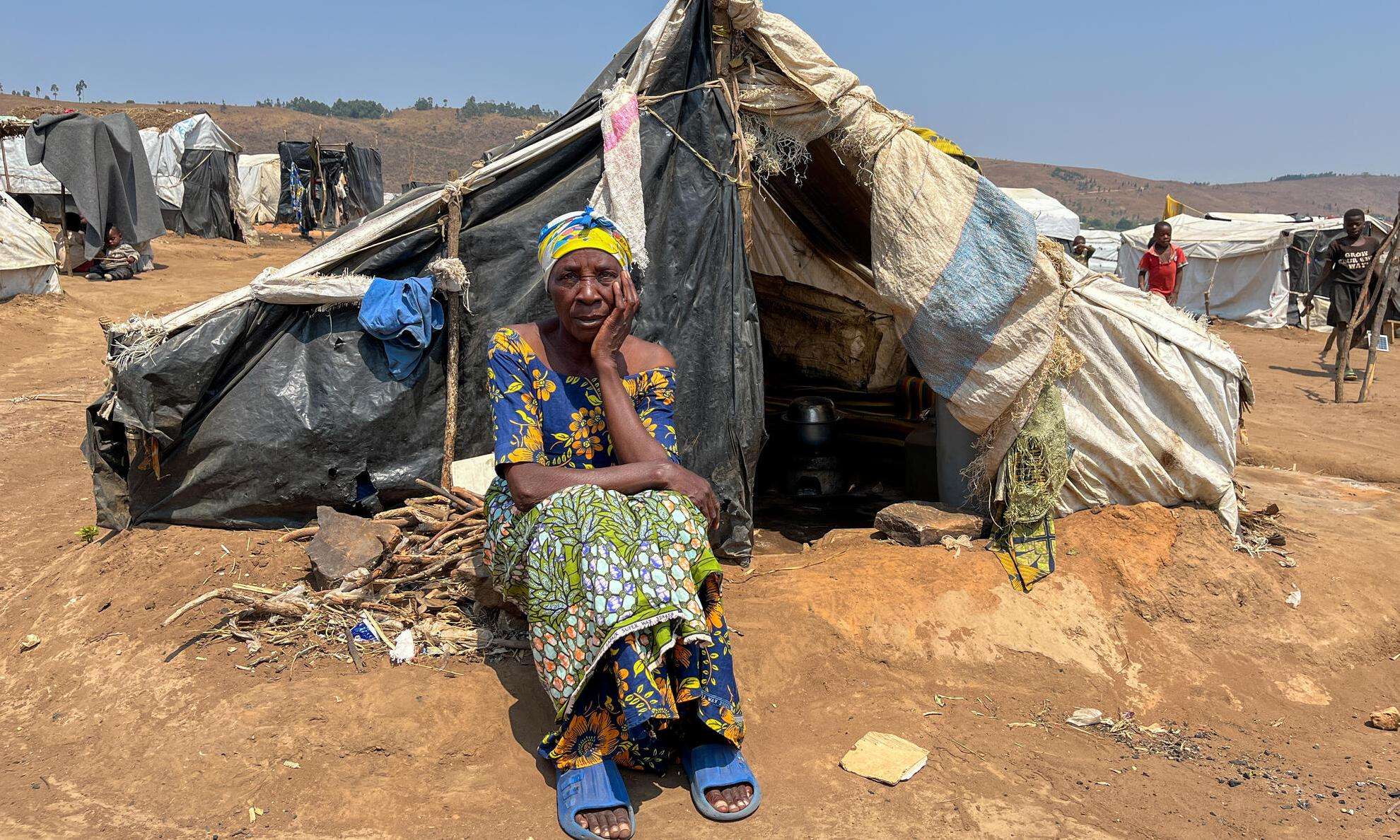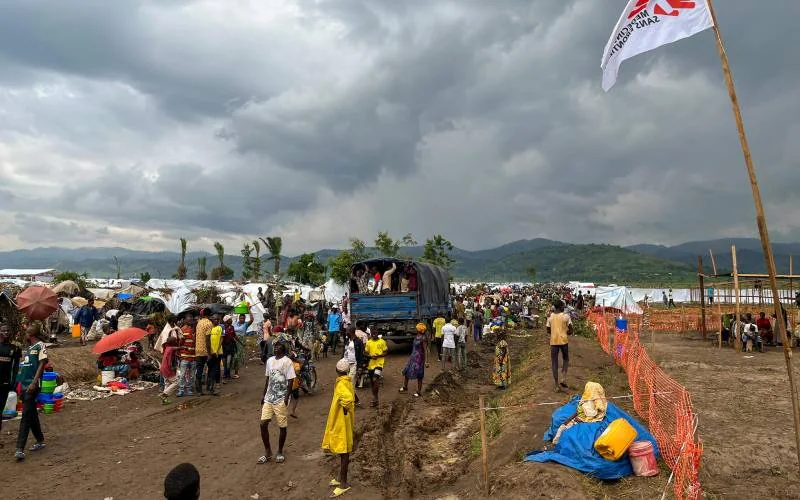
Approximately 35,000 refugees remain at the Busuma refugee camp in eastern Burundi as of October 2026. Since April 2026, more than 20,000 refugees have returned to the Democratic Republic of the Congo (DRC) through a UN-led voluntary return programme. Ouo-ouo Sakouvogui, MSF’s emergency response coordinator at the camp, warned, "If nothing changes, the situation could once again become extremely critical." Refugee Asiya Bipemaju stated, "Now we are struggling to sleep and feed our children. All these problems are weighing heavily on me. Honestly, I am overwhelmed. I want to go home." Adélaïde Ouabo, MSF’s programmes coordinator in Burundi, added, "It is unacceptable that refugees should feel they would rather risk their lives than remain in a camp that is supposed to protect and support them."
Critical Shortages in Basic Services
Médecins Sans Frontières (MSF) reported that sanitation facilities at the Busuma refugee camp reached inadequate levels in September 2026. Data from the organization indicated that there was only one latrine for every 119 people. Washing facilities remained equally limited during the same period, with the camp providing only one shower for every 242 people.
Medical demand also remained high as the population struggled with these living conditions. MSF teams conducted more than 12,000 outpatient consultations between July and September 2026. These medical services were provided to refugees within the Busuma refugee camp and to members of the surrounding host community.
Funding Crisis Threatens Future Aid
Humanitarian organisations providing essential support at the Busuma refugee camp face significant budgetary constraints that threaten the continuity of aid. Certain agencies maintain funding commitments only until the end of 2026, while others operate without any confirmed financial resources beyond October 2026. Vanessa Niyonizigiye, an MSF clinical psychologist, described the impact of these shortages on the displaced population. "Many people are deeply desperate," Niyonizigiye said. "Aid is dwindling, while some people do not even have a tarpaulin or a blanket to protect themselves."
Ibonge Alinoti, a resident of the camp, arrived at the site in December 2025 after fleeing violent clashes near Uvira, Democratic Republic of the Congo. Reflecting on the extended duration of his stay and the deteriorating conditions, Alinoti expressed a profound sense of abandonment. "It feels as though we are goats tied to a stake and left there to graze," Alinoti stated. "I thought I would be able to go home in April, but we are still in this camp where everything is in short supply. We are suffering so much."
The lack of resources has deepened the desire among refugees to return to their country of origin, despite the risks associated with the security environment in the Democratic Republic of the Congo. Alinoti indicated that the absence of sufficient assistance has made life in the camp untenable for many families. "We simply do not want to stay here," Alinoti said. "There is too much suffering and not enough aid. We do not want money; we want to leave. I have already fled violence three or four times in the Congo. If it happens again, we will flee again."