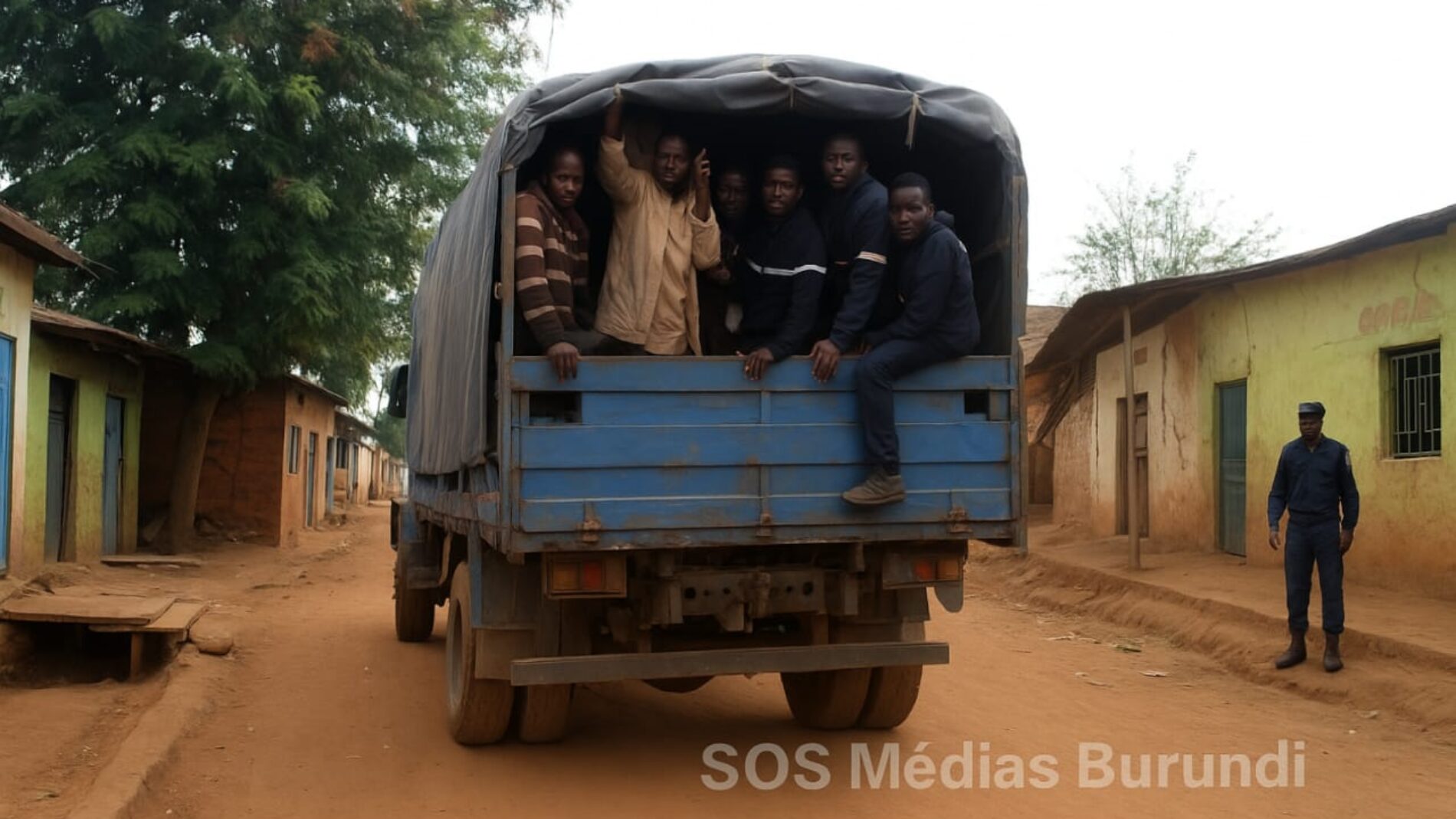
Around one hundred Congolese refugees were forced to depart Gitega, the political capital of Burundi, over the evening of Saturday, September 5, and through Sunday, September 6, 2026. This significant displacement occurred as part of a full control operation initiated by authorities within the city. Many of the refugees affected by the operation reportedly lacked the necessary documents required for urban residence, leading to their expulsion. This development, impacting a vulnerable population seeking stability, was widely reported on September 7, 2026, drawing attention to the challenges faced by refugees in urban settings. The operation in Gitega, the political capital, specifically targeted areas where refugees had recently settled, showing the focused nature of the enforcement.
Detentions and Forced Returns
The operation included a careful control check conducted by authorities in the densely populated Kishwahili and Karera neighborhoods of Gitega. These areas are known to host a significant number of residents, including many who have recently arrived. During this control check, refugees were specifically asked to present documents authorizing their urban residence, a key requirement for their continued stay in the capital. Following this verification process, several refugees who could not produce the required paperwork were subsequently taken to the local police station, where they were detained for several hours. This detention period added to the distress and uncertainty experienced by those caught in the operation.
Refugees stated that the specific document which had previously allowed them to stay in urban areas, and which many had relied upon, was no longer being issued by the relevant authorities. This change in policy or administrative practice left many without the necessary legal authorization for their urban residence, despite their efforts to comply with regulations. In the aftermath of the detentions and expulsions, representatives from the National Office for the Protection of Refugees and Stateless Persons (ONPRA) subsequently intervened to organize the return of the refugees to their respective camps. This intervention aimed to manage the immediate humanitarian consequences of the operation, facilitating an organized, albeit forced, relocation back to the designated refugee settlements.
Financial and Educational Disruption
Many Congolese refugees had recently relocated from established camps to Gitega, primarily seeking improved educational opportunities for their children. This migration to the political capital was driven by the strong desire to provide better schooling options than those typically available in the more isolated and resource-limited refugee camps. The move represented a significant investment in their children's futures, with families hoping to access higher quality education and a more stable learning environment.
Families who had moved to Gitega had already undertaken significant financial commitments in anticipation of their new lives in the city. They secured housing, often paying considerable amounts for rent and deposits, and incurred additional expenses to furnish their new homes, transforming them into suitable living spaces. These preparations were made with the upcoming academic year firmly in mind, which was scheduled to begin on September 14, 2026. The expulsions have severely disrupted these arrangements, impacting both the precarious financial stability of the families and the critical educational prospects of their children. The sudden requirement to return to camps nullified these investments, creating substantial economic hardship.
Refugee Voices and Losses
Refugees in Gitega were asked by authorities to present documents authorizing their urban residence during the control operation, a requirement many were unable to meet due to the reported cessation of document issuance. Many of those impacted had recently moved to the city from refugee camps, driven by the profound desire to secure better educational opportunities for their children. This aspiration led families to invest considerable resources into their new urban lives. They had paid rent and deposits for housing, often depleting their limited savings, and purchased furnishings to make their new homes habitable, all in anticipation of the school year beginning on September 14, 2026.
The rapid and unexpected return to camps following the expulsions represents a significant financial loss for these families. Not only did they lose the money invested in housing and furnishings, but they also faced the logistical and economic burden of another forced relocation. This abrupt relocation also introduces considerable uncertainty regarding the children's schooling, disrupting carefully made plans for their education in the capital. Many refugees expressed deep concerns about the lasting impact on their children's future academic prospects, especially after having committed valuable resources to secure urban accommodation and what they hoped would be a better educational environment. The expulsions effectively undermined their efforts to build a more stable future for their families.