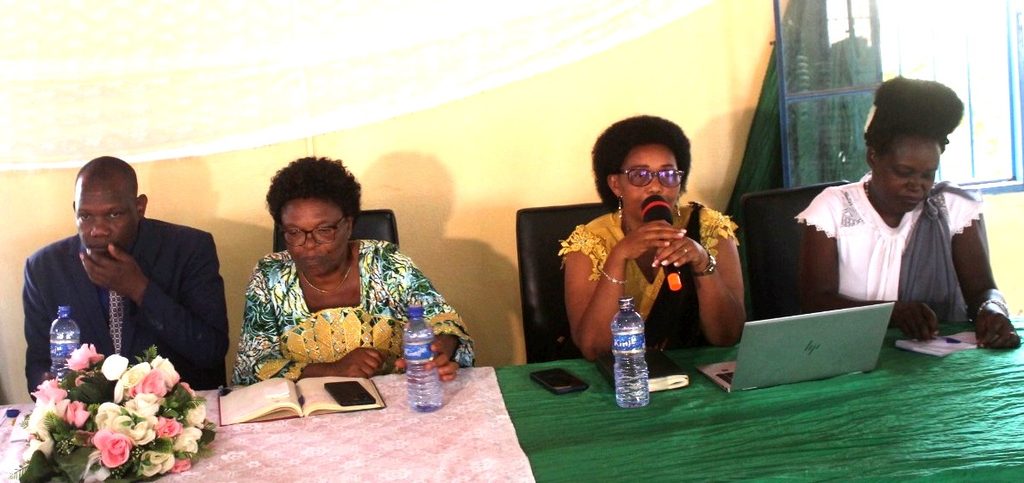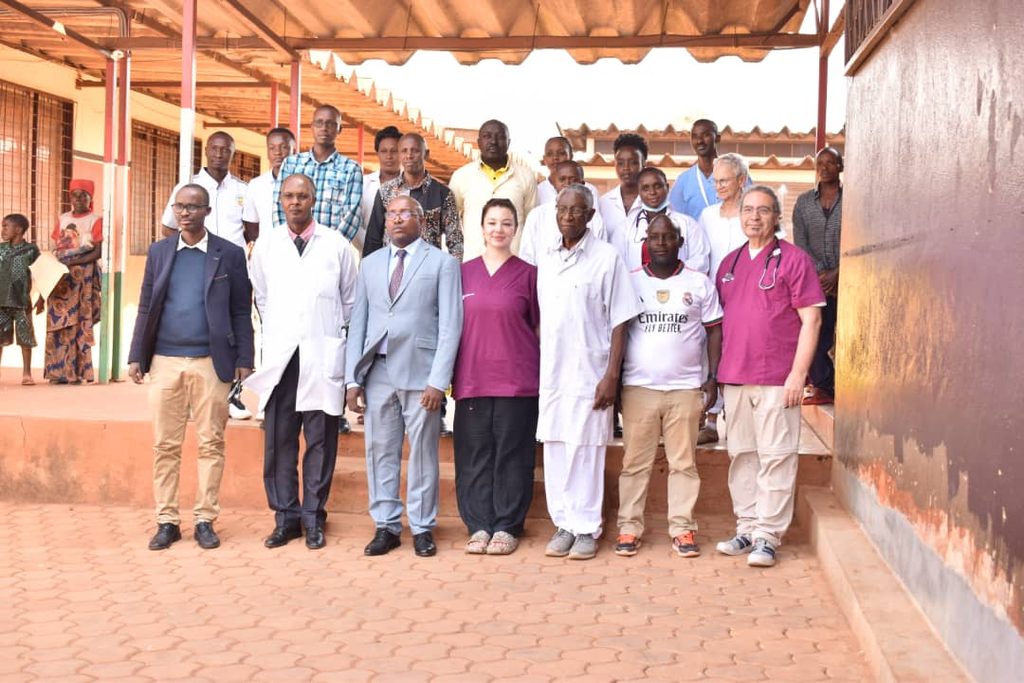
A significant congenital heart disease screening campaign was launched at Makamba Hospital in Burunga province on Tuesday, September 8, 2026. This key initiative was organized to identify and address heart conditions present from birth within the community, particularly among children. The Société burundaise de Cardiologie initiated the campaign, marking a significant public health effort in the region aimed at improving early detection and intervention for these critical conditions. The choice of Makamba Hospital as the initial site shows the commitment to reaching communities in various provinces with essential medical services.
Program Expansion and Training
Marc Nimburanira, Director General of Kamenge Military Hospital, stated that the program would continue with the support of the State of Burundi and its partners, demonstrating a sustained commitment to public health. The initiative is set to expand beyond Makamba Hospital, with concrete plans for continuation in other provinces, including Butanyerera and Buhumuza. This planned expansion aims to significantly broaden the reach of congenital heart disease screening across the country, ensuring more children have access to these vital services. Additionally, the campaign will serve as a key opportunity to train more doctors in the specialized screening techniques required for accurate diagnosis. Dr. Nicodème Sinzobahamvya, who initiated the project alongside his colleagues from Germany, is actively involved in transmitting this vital knowledge to local medical professionals. This knowledge transfer is essential for building local capacity and ensuring the long-term sustainability of the screening program.
Government and Partner Support
Surgical interventions for identified cases will be conducted at the Centre de Chirurgie Cardio-Thoracique et Vasculaire, which is located within the Kamenge Military Hospital. This facility will serve as the primary site for advanced medical procedures stemming from the screening campaign, providing specialized care for those requiring it. The State of Burundi's Ministry of Public Health and the Fight against AIDS has already allocated a budget to support initiatives in this critical health sector. This financial commitment shows the government's key role in sustaining and expanding the congenital heart disease program, ensuring resources are available for both full screening and subsequent treatment. The ongoing support aims to facilitate the long-term success of the campaign across various provinces, making a lasting impact on public health.
Early Detection and Future Screenings
Emmanuel Nizigiyimana urged parents to ensure their children receive timely screenings, particularly upon observing symptoms of congenital heart disease. He emphasized the importance of early intervention, stating, "The ministry has already provided a budget that will help in this sector. Let no one leave their child at home, especially when they have already noticed one or another symptom of this disease." To date, 115 children have undergone screening as part of the campaign, reflecting a strong initial turnout. Of these children, 11 have been identified as needing surgical intervention, noting the critical need for such programs. The campaign also noted with concern that nine children arrived for screening at a late stage of their condition, showing the urgency of increased awareness. Looking ahead, an additional 11 children are scheduled for screening in February, indicating the ongoing nature of the campaign's efforts.
Official Statements
The campaign's official launch was presided over by Emanuel Nizigiyimana, Director General responsible for the program for offering and accessing health services and care. Mr. Nizigiyimana solemnly opened the initiative, marking the formal commencement of screening efforts at Makamba Hospital. His presence and active participation showed the governmental support for this vital public health program, reinforcing its importance to the national health agenda.