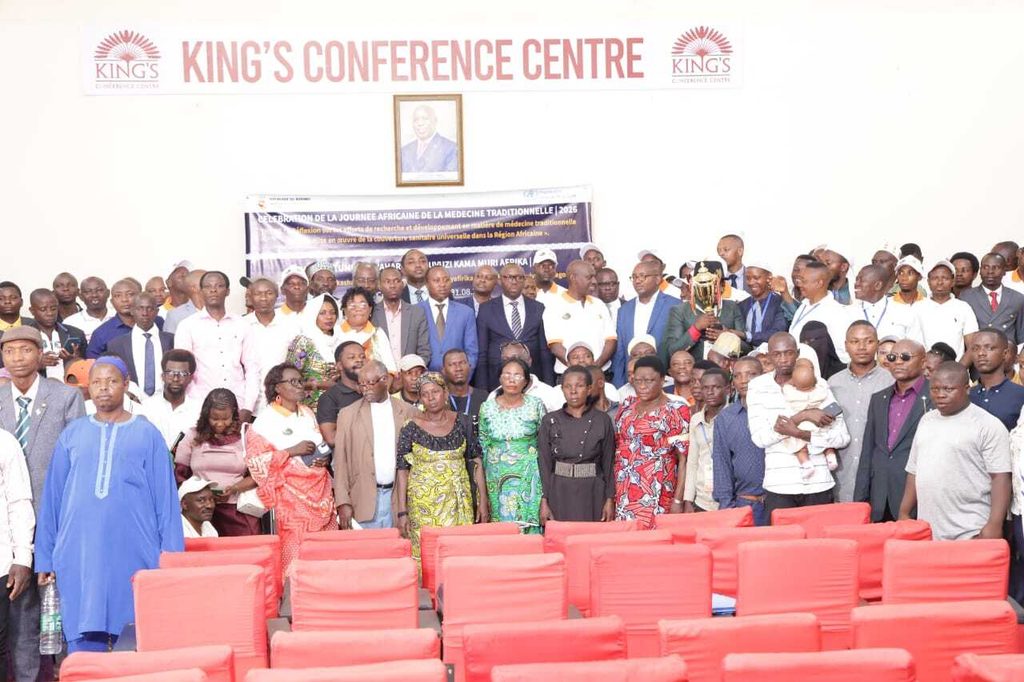
The 24th African Traditional Medicine Day was celebrated in Bujumbura on Monday, August 31, 2026, focusing on the preservation and development of traditional medical practices. The event noted Burundi's rich heritage of traditional knowledge, emphasizing its importance for future generations. The celebration's theme was « Réflexion sur les efforts de recherche et de développement en matière de médecine traditionnelle pour la réalisation de la couverture sanitaire universelle dans la région africaine». This theme showed the need to preserve, document, and value traditional medicine, according to organizers. The discussions aimed to integrate these practices into broader health initiatives across the African region, fostering a full approach to health care delivery.
Current State of Research
Pierre Sinarinzi, permanent secretary at the Ministry of Public Health, stated that Burundi currently lacks dedicated research centers for traditional medicine. Despite this, researchers from university centers have conducted studies on medicinal plants. These investigations have demonstrated the essential role of such plants for human health. The findings from these academic studies show the potential of traditional medicine to contribute significantly to public health outcomes, provided there is adequate support and infrastructure.
However, investments in traditional medicine research remain insufficient within the country. This lack of dedicated funding and infrastructure poses a significant challenge to fully understanding and leveraging Burundi's traditional medical resources. Burundi needs to strengthen its regulatory framework for traditional medicine practices and enhance its scientific capacity in this area. This dual approach would not only protect traditional knowledge but also ensure that practices are safe, effective, and evidence-based. Strengthening scientific capacity would involve providing resources for further research, training for practitioners, and establishing specialized research facilities.
Regulatory Framework and Practice
Burundi's government has established a legal framework to regulate the activities of traditional medicine practitioners. A presidential decree, signed in 2014, underpins this regulatory structure, providing a foundational legal basis for the sector. To facilitate its implementation, specific ministerial ordinances have been issued, detailing the practical aspects of regulation and oversight. This full legal and administrative structure aims to formalize and professionalize the practice of traditional medicine within the country.
The National Institute of Public Health (INSP) operates a dedicated center for the processing and treatment of traditional medicines, further integrating these practices into the health system. This center plays a key role in ensuring the quality and safety of traditional medicinal products. Across the country, eighteen associations are actively engaged in traditional medicine, representing a significant network of practitioners and knowledge holders. As part of the formalization efforts, 5021 authorizations have been granted to individual traditional practitioners, indicating a significant number of recognized individuals operating within the sector. This process of authorization helps to legitimize practitioners and provides a measure of quality control for the public. These steps aim to formalize and integrate traditional healing practices into the broader public health landscape, ensuring that they complement modern medical approaches rather than operating in isolation. The government's commitment to protecting the activities of traditional practitioners is evident in these legislative and administrative measures.
Global and National Calls for Investment
The World Health Organization (WHO) encourages member states to strengthen their scientific knowledge regarding the efficacy, safety, and quality of traditional medicine. This call emphasizes the importance of evidence-based practice and the need for rigorous scientific investigation into traditional remedies. The WHO's regional director for Africa has called for increased national investments in research and development, alongside the protection of traditional knowledge. Such investments are deemed key for advancing the understanding and application of traditional medicine in a safe and effective manner.
The WHO has expressed its commitment to supporting Burundi in enhancing research, regulation, and the safe and effective use of traditional medicine within the country. This support is vital for a nation like Burundi, which possesses a rich heritage in traditional medicine but faces resource constraints. The organization's regional and global strategy for traditional medicine is set to cover the period from 2025 to 2034, aiming to guide efforts in this domain worldwide. This long-term strategy provides a framework for member states to develop their traditional medicine sectors. A representative for the WHO stated, "As far as we already know, the country has a rich heritage of traditional knowledge that deserves to be preserved, documented, and valued for the benefit of future generations." This shows the international body's recognition of Burundi's potential in traditional medicine and the necessity for structured investment and protection to realize its full benefits for public health. The preservation and documentation of this heritage are seen as critical not only for Burundi but also for the broader global understanding of diverse medical systems.