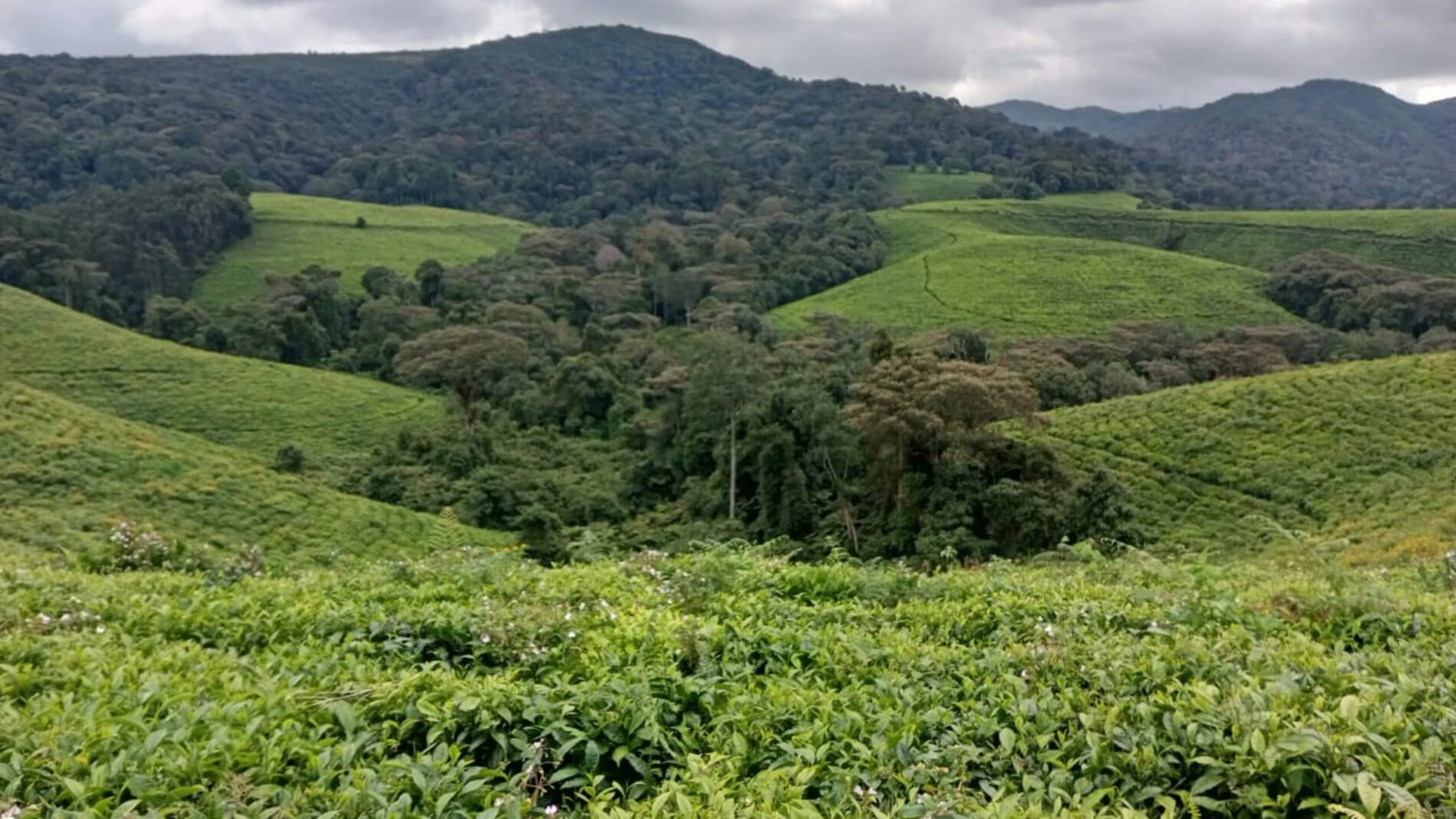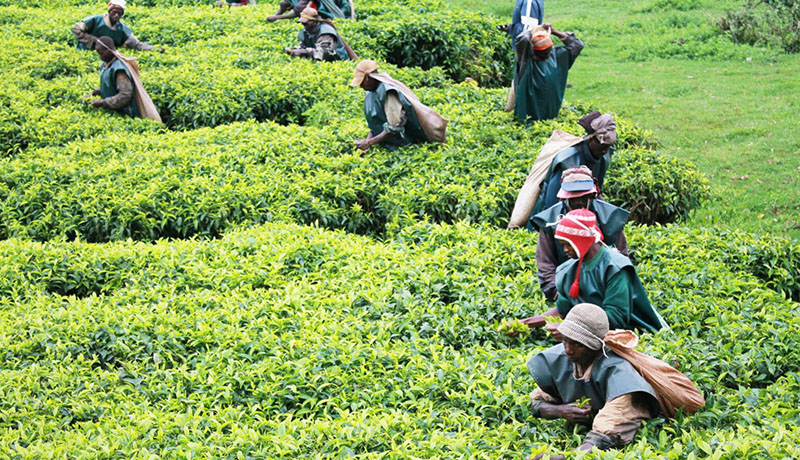
Burundi's vital tea sector is currently grappling with a confluence of severe challenges, including the persistently low prices offered for tea leaves, a palpable decline in producer interest, and a critical scarcity of essential agricultural inputs, particularly fertilizer. These factors are collectively impacting overall production across the nation. Gilles Mukundwa, the esteemed Director General of the Office burundais du thé (OTB), has officially confirmed that tea production has indeed experienced a significant downturn. The tea harvest, a key economic indicator for the sector, reportedly fell from 11 tons to 7.5 tons, showing the severity of the crisis. Compounding the difficulties for growers, the price for one kilogram of tea leaves currently stands at a mere 500 BIF. The low price of tea leaves, coupled with widespread producer disinterest and the widespread lack of fertilizer, are identified as among the main challenges confronting the tea sector in Burundi.
Mr. Mukundwa indicated that the Office burundais du thé (OTB) is actively engaged in seeking viable and sustainable solutions to these pressing issues. "Nous avons proposé une hausse du prix du kilogramme de feuilles vertes afin de mieux motiver les théiculteurs," he stated, explaining the organization's proactive push for higher prices, which is seen as a critical step to incentivize and re-engage tea growers. He further elaborated on OTB's strategic initiatives, adding that the organization is also advocating vigorously for the necessary authorization to import fertilizers, a move deemed essential to address the acute input shortages. "Nous faisons également un plaidoyer pour obtenir l’autorisation d’importer des engrais. Nous sommes aussi en train d’expérimenter la mécanisation de certaines tâches afin de faire face à la rareté de la main-d’œuvre," Mr. Mukundwa noted, noting the dual efforts to tackle both input scarcity and the growing challenge of labor shortages through the strategic implementation of mechanization.
Grower Discontent and Input Scarcity Undermine Production
The impact of these systemic issues is keenly felt at the grassroots level. Some tea growers in the Kayanza commune have openly expressed a significantly diminished motivation to continue cultivating tea. Their reluctance stems from the combination of unremunerative low prices and the inherently demanding nature of tea cultivation. A major source of frustration among producers is the payment system: they are reportedly not paid immediately after delivering their harvests. Instead, they often receive tokens or receipts and are compelled to return later, sometimes significantly delayed, to collect their rightful payments. This lack of prompt compensation further erodes their economic stability and commitment to the crop.
The primary factors contributing to the observed decrease in tea production are multifaceted. Foremost among them is producer demotivation, directly linked to the insufficient prices offered for their green leaves. This economic disincentive is exacerbated by a critical lack of mineral fertilizers, a problem that has persisted for the past three years, severely impacting soil fertility and yield. Widespread shortages in agricultural labor have made it increasingly difficult for growers to manage their plantations effectively.
In direct response to these challenges, the Office burundais du thé (OTB) has formally proposed an increase in the price per kilogram of green leaves. This initiative is designed to better incentivize tea growers and rekindle their enthusiasm for cultivation. Addressing the severe input crisis, OTB is also actively advocating for authorization to import fertilizers, recognizing its critical role in boosting productivity. In an effort to counter the widespread labor shortages, OTB is experimenting with mechanization for certain tasks, aiming to streamline operations and reduce reliance on manual labor. The OTB management has acknowledged the concerning drop in tea production and has affirmed its intention to implement full measures to address this critical issue, signaling a recognition of the sector's dire state.
Systemic Governance Failures and OTB's Financial Woes
The challenges facing Burundi's tea sector are not confined to agricultural inputs and market prices; they are deeply intertwined with broader issues of governance and management within public enterprises. Faustin Ndikumana, a prominent economic analyst, has vocally called for a profound and full reform of the governance structures of public enterprises, explicitly including the Office burundais du thé (OTB). Ndikumana characterized OTB as a public enterprise possessing a commercial vocation, strategic importance to the national economy, and high capital intensity, making its efficient operation critical.
Ndikumana stated unequivocally that the current system represents "a major handicap at the level of leadership, strategic management of the company, and governance." He articulated a critical flaw in the existing framework, adding, "Under these circumstances, there is no performance contract or obligation of results since appointments are made by political decrees, often to reward activists. There is also no real requirement for dividends to be paid." This politicization of appointments, he argues, undermines accountability and professional management.
Ndikumana further alleged that senior executives appointed to lead these key companies often "take advantage to enrich themselves individually to the detriment of the growth of the company's activities," asserting that "personal interest takes precedence over the general interest of the company." He noted the systemic nature of this problem, describing corruption as a 'cancer' of public administration. He also expressed grave concern over "the absence of effective mechanisms for declaring assets and the persistence of impunity in the face of corruption," observing, "Everyone ends up saying to themselves: ‘If I get there, it’s my turn.’" This perception of impunity perpetuates a cycle of malfeasance.
The economic analyst recommended a multi-pronged approach to address these deep-seated issues, stating, "We must clean up the leadership, control costs, strengthen transparency, effectively fight corruption, and recapitalize these companies through a structured plan. Organizational and financial audits must also be carried out to assess their situation and, ultimately, privatize their management." This holistic view shows the complexity of the reforms required.
Public enterprises, including OTB, frequently exhibit a range of systemic deficiencies. These often suffer from flawed management practices, leading to excessively high production costs and a corresponding lack of competitiveness in the market. These entities reportedly exhibit a low innovation capacity, a poor ability to adapt to their dynamic operational environment, and a general lack of professionalism across their ranks.
The root causes of these systemic issues within public enterprises are frequently linked to leadership, with excessive politicization of appointments leading to nominations based on political considerations rather than merit, relevant experience, or proven expertise. This method of selection often results in a leadership cadre ill-equipped to manage complex commercial operations. There is a noted absence of effective mechanisms to prevent and sanction corruption, including insufficient asset declaration systems for public officials and a widespread perception of impunity, which emboldens corrupt practices. Internal controls within public enterprises are widely considered weak and ineffective, and external audits, when conducted, are often not rigorous enough to identify and rectify financial irregularities. Financial statements are not consistently submitted to the Court of Accounts for certification, which further compounds transparency issues and hinders proper oversight. The Office Burundais du Thé (OTB) itself reportedly recorded significant losses, estimated at 7.5 million over a ten-year period, starkly noting its profound financial struggles and the urgent need for intervention.
Macroeconomic Headwinds and Urgent Reform Proposals
The internal difficulties plaguing Burundi's public enterprises are significantly exacerbated by a challenging macroeconomic environment. This includes persistent inflation, substantial financing hurdles, and high costs for key inputs such as fuel and electricity. These external pressures further squeeze profit margins and hinder operational efficiency.
A deep and full overhaul of these public enterprises is urgently needed, according to observers and economic analysts. Such a reform must be multi-faceted, covering critical aspects such as leadership restructuring, stringent cost control measures, enhanced transparency in all operations, strong anti-corruption efforts, and structured recapitalization plans to inject much-needed capital. Organizational and financial audits are also deemed absolutely necessary to thoroughly evaluate the current situation of these companies, providing a clear picture of their assets, liabilities, and operational efficiency. This assessment would lay the groundwork for potential future steps, including the privatization of their management in the long term, if deemed beneficial.
Despite past attempts, privatization efforts for these entities have reportedly failed to yield desired results, leaving many in their current precarious state. These capital-intensive companies could benefit significantly from new investments, particularly foreign ones, for recapitalization, which could provide the financial impetus for modernization and growth. However, poor planning and the often-misguided orientation of public policies frequently prevent these companies from effectively benefiting from such recapitalization efforts. Recapitalization could not only increase their capital base but also facilitate the privatization of management, a strategic move that could, in turn, substantially improve their overall performance and market competitiveness. Beyond internal reforms, the government must also consider broader macroeconomic factors that directly influence production costs, including the tax regime, volatile fuel prices, persistent inflation, and the tariffs for electricity, all of which significantly impact the viability and profitability of the tea sector and other public enterprises.