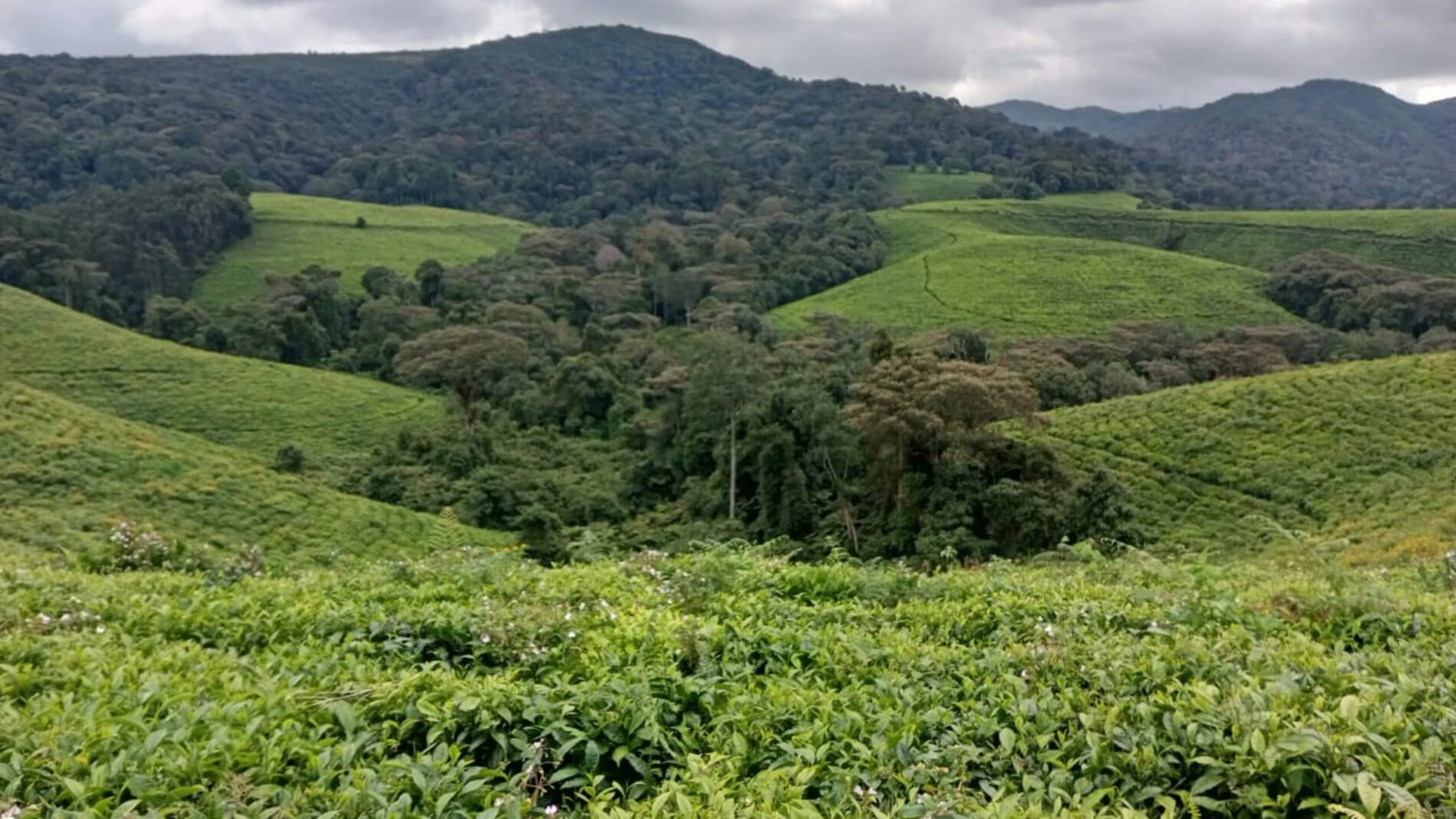
Burundi's tea production has declined by 30% over the past ten years, impacting a key agricultural sector vital to the nation's economy and rural livelihoods. This significant decrease, representing nearly a third of the country's output over the past decade, is partly attributed to the destruction of over 300 hectares of tea plantations. This substantial reduction in output comes as producers face various challenges within the country, exacerbating an already difficult situation for the industry. The cumulative effect of these issues has led to a significant downturn in a sector that traditionally provides substantial employment and export revenue.
Reasons for Decline
A significant factor contributing to the decline is the abandonment of over 1,000 hectares of tea plantations across the country. This widespread desertion, which represents a considerable portion of the total cultivated land, has directly impacted the overall cultivation area available for tea production. The reasons behind this abandonment are multifaceted, ranging from economic pressures on farmers to difficulties in maintaining optimal growing conditions. Compounding these domestic issues, the ongoing conflict between Russia and Ukraine has introduced additional challenges, disrupting global supply chains and severely affecting the availability and cost of fertilizers critical for tea cultivation. The war's impact on international trade routes and commodity prices has created a ripple effect, reaching tea farmers in Burundi who rely on these essential agricultural inputs.
The scarcity of fertilizers has created a substantial hurdle for producers, making it difficult to maintain soil fertility and plant health. This shortage directly impacts yield and the quality of the tea leaves. Relief for this particular issue is not expected soon, with fertilizers projected to become available only by October 2026. This extended period without adequate access to essential inputs is likely to continue impacting yields and further stress the sector, potentially prolonging the period of reduced production. The difficulties in securing these vital resources have forced many farmers to operate with suboptimal conditions, contributing to the overall decline in output. These challenges were among the topics discussed during a key meeting held on Thursday, September 3, 2026, which addressed the state of Burundi's tea production and sought urgent solutions.
OTB's Proposed Solutions
In response to the severe challenges facing the industry, the Office du Thé du Burundi (OTB) is considering an increase in the purchase price of green leaves as a measure to support tea producers. This potential adjustment aims to provide greater financial incentive and stability for tea growers, who have been struggling with various economic and agricultural obstacles, including the rising cost of inputs and the fixed price for their produce. In a related effort to directly address the fertilizer crisis, the OTB has also initiated the direct purchase of chemical fertilizers from producers. This strategic move aims to alleviate supply chain issues and improve access for farmers, bypassing some of the global market disruptions. These discussions and initiatives come amidst significant challenges facing the country's tea sector, noting the urgency of finding sustainable solutions.
These proposed solutions were among the topics addressed during a meeting held at the Rwegura tea factory, located in Kayanza commune, Butanyerera province, northern Burundi. The gathering served as a critical platform to discuss the current state of tea production and explore strategies to mitigate the ongoing decline in output. The OTB's direct involvement in fertilizer procurement represents a shift towards more active intervention to stabilize production inputs, ensuring that farmers have the necessary resources to cultivate their crops effectively. The potential adjustment of green leaf prices, currently fixed at 500 Fbu per kilogram, is intended to provide greater financial incentive and stability for tea growers, who have been struggling with various economic and agricultural obstacles. This full approach seeks to tackle both input supply and farmer profitability.
Outlook and Producer Motivation
The current fixed price for one kilogram of green leaves stands at 500 Fbu, a factor significantly influencing producer motivation and their ability to invest in their plantations. Many producers find this price insufficient to cover their operational costs and generate a sustainable income, especially with the increased cost of other inputs. To address declining yields and improve the overall health of tea plants, the Office du Thé du Burundi (OTB) intends to resume fertilizing plantations twice a year. This critical measure aims to improve soil fertility and boost tea plant health, which could contribute significantly to increased production volumes and better quality leaves. The OTB's plan to reintroduce a regular fertilization schedule is part of a broader strategy to stabilize and ultimately enhance Burundi's tea output after a significant decline. This initiative, alongside potential price adjustments for green leaves, seeks to re-engage producers by making tea farming more profitable and sustainable, thereby improving the overall outlook for the sector.