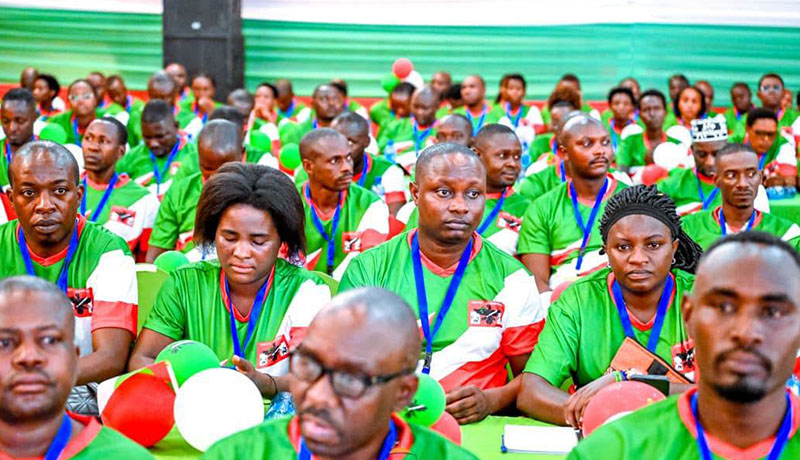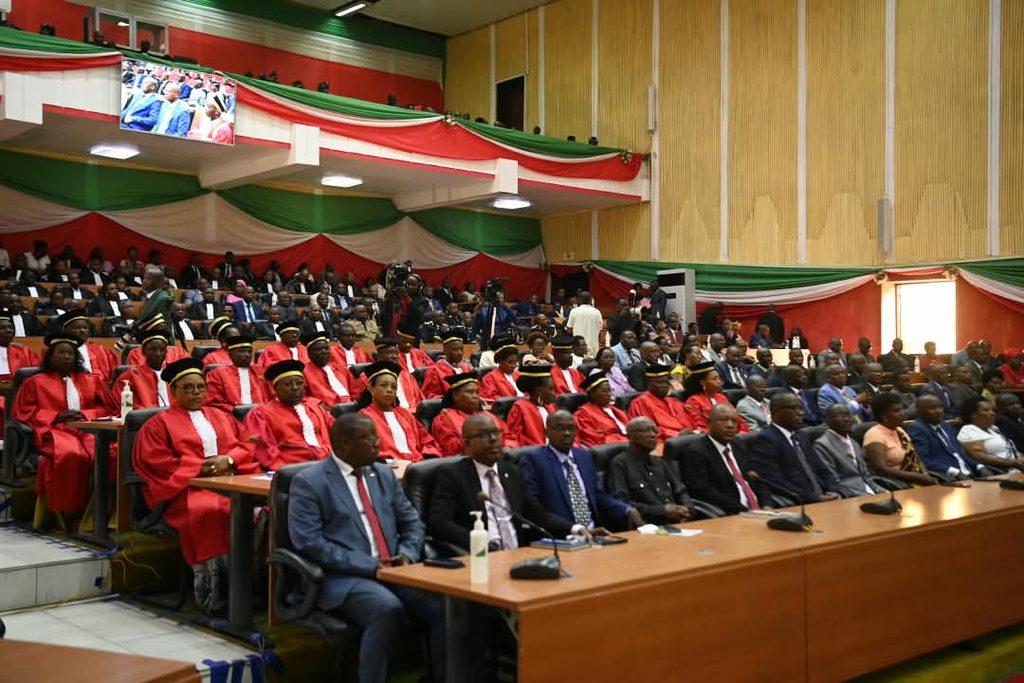
Burundi's President Evariste Ndayishimiye officially opened the 2026-2027 judicial year on September 8, 2026, at the Kigobe hemicycle. The President of the Republic of Burundi, Evariste Ndayishimiye, solemnly presided over this significant event, marking the official commencement of the judicial calendar. At the ceremony, President Ndayishimiye showed the importance of an independent and accessible justice system for the nation. He stressed the need for the judiciary to deliver justice that is "useful to the population," aiming to ensure that "every citizen who approaches the courts is satisfied according to the law." The President’s remarks noted his administration’s focus on judicial integrity and public trust in legal proceedings, emphasizing the fundamental role of a strong and fair justice system in national development and stability.
Judicial Reforms and Expectations
President Ndayishimiye recommended that magistrates deliver judgments promptly to meet public expectations, emphasizing the importance of making justice more accessible to all citizens. He stressed the need to bring justice closer to citizens and ensure its accessibility to everyone, regardless of their location or social standing. He also directed that, in land matters, judgments must be rendered on the ground, aligning with presidential orientations to better understand local realities and aid in conflict resolution. This practical approach is intended to ensure that judicial decisions are well-informed by the specific circumstances of each case, thereby fostering greater equity and reducing disputes. The President stated that true judicial independence necessitates sufficient resources, including adequate infrastructure, equipment, and operational funding. To support this, the judicial body will receive its own dedicated budget, mirroring the financial autonomy granted to the Senate and the National Assembly. This move is designed to empower the judiciary with the necessary means to operate effectively and independently. Recent judicial reforms, including the establishment of new institutions like the Commercial Court of Appeal across the nation, have already facilitated the recruitment of new personnel and improved the overall organization of the judicial system, laying a stronger foundation for the future.
Calls for Ethical Conduct
President Evariste Ndayishimiye called on magistrates to exercise their functions with rigor, ethics, and integrity. This approach, he stated, is key for building an independent and accessible justice system that effectively serves the population. He urged magistrates to uphold these principles diligently in their daily work, reinforcing the public's confidence in the judicial process. The President further urged magistrates to avoid all forms of corruption, emphasizing that integrity remains essential for maintaining the trust of litigants within the judicial process. He noted that a justice system free from corruption is critical for its credibility and for ensuring fair outcomes for all citizens. Separately, President of the Supreme Court, Gamaliel Nkurunziza, asked court presidents to be role models for the magistrates and staff under their responsibility, reinforcing the call for ethical conduct across all levels of the judiciary and promoting a culture of accountability and excellence.
Context and Recognition
The opening of the judicial year is preceded by field visits and exchanges with judicial authority officials, a practice mandated by Article 35 of the law organizing the Supreme Court. These preparatory activities ensure that the judiciary is well-informed and prepared for the upcoming year's challenges and responsibilities. During the ceremony, six members of the judicial corps were recognized for their commitment. These individuals included prosecutors, court presidents, and clerks, with four of the honorees being women. The awards acknowledged their dedication within the justice system, celebrating their contributions to upholding justice and serving the Burundian people. This recognition serves to motivate judicial personnel and show the value placed on their hard work and unwavering commitment to the rule of law.