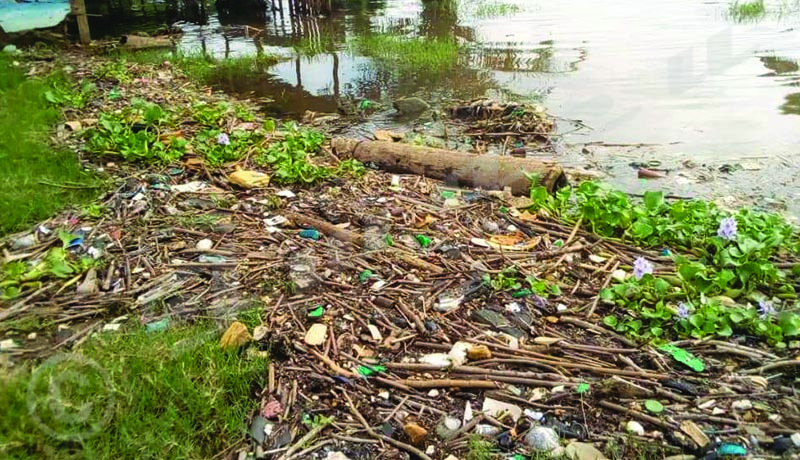
A public conference addressing the environmental challenges and underutilization of Burundi's lakes was organized by the NGO La Benevolencjia and its media partners on Tuesday, August 25, 2026. This significant event aimed to shed light on the pressing issues impacting Burundi's vital aquatic ecosystems, which are increasingly threatened by various forms of degradation. The conference took place in advance of the International Day of Lakes, observed annually on August 27th, a date dedicated worldwide to raising awareness about the importance of these freshwater bodies. The initiative sought to draw critical attention to the state of these natural resources, emphasizing both their immense potential and the urgent need for conservation and sustainable management. The gathering brought together a diverse group of stakeholders, including environmental experts, policymakers, local community representatives, and media partners, to discuss full solutions for the escalating pollution and the largely untapped potential of Burundi's lakes. This collaborative effort showed the growing recognition of the environmental and economic significance of these natural assets.
Immense Potential and Current State
Lake Tanganyika, a truly significant natural asset for Burundi, stands as one of the world's most remarkable freshwater bodies. It contains an astonishing 16% of the world's total freshwater reserves, amounting to an immense volume of 20,000 km3. Burundi's geographical position grants it a substantial portion of these invaluable reserves, with approximately 2,634 km3 falling within its territory, representing 9% of the lake's overall volume. This vast body of water is not only a source of fresh water but is also globally recognized for its exceptional biodiversity. Scientific studies have identified 2,156 distinct species inhabiting Lake Tanganyika, showcasing its rich ecological tapestry. A substantial number of these species, specifically 584, are endemic to Lake Tanganyika, meaning they are found nowhere else on Earth. This high degree of endemism shows its unparalleled ecological importance and its status as a critical biodiversity hotspot.
Despite these profound natural endowments and the lake's global significance, the development of the tourism sector along Lake Tanganyika is currently not advanced. The lake's potential for economic growth through tourism remains largely untapped, particularly in strategically important areas such as Bujumbura, Minago, and Rumonge. These locations, with their access to the lake, could serve as hubs for sustainable tourism development. The current state suggests a significant discrepancy between the lake's immense natural wealth and its limited utilization for sustainable development, indicating a missed opportunity for the country's economic and social progress. The animal riches derived from these lakes, including their diverse aquatic life, do not adequately benefit the country as they should, pointing to inefficiencies in resource management and utilization.
Threats: Pollution and Deforestation
Burundi's lakes face significant and escalating threats, primarily from pollution, which severely impacts their ecological health and limits their potential to benefit the country. The rich animal life within these aquatic environments, from fish to other endemic species, is not adequately contributing to the nation's welfare due to environmental degradation. A critical issue is the widespread disregard for buffer zones, which are specifically designed to protect these sensitive aquatic environments. These protective strips of land surrounding the lakes are frequently not respected or maintained, exacerbating the environmental degradation and allowing pollutants to enter the water bodies unimpeded.
A substantial volume of oils, fats, and oil waste imported by Burundi ultimately finds its way into Lake Tanganyika, posing a severe threat to its pristine waters. In 2025 alone, the country imported slightly over 11,000 tons of these materials. A significant portion of this imported waste, directly or indirectly, contributes to the pollution of the lake, introducing harmful substances that can devastate aquatic life and compromise water quality. This continuous influx of pollutants contributes to the overall environmental stress on this critical freshwater resource, jeopardizing its long-term viability.
Deforestation in the surrounding areas also poses a severe and widespread threat, particularly to the delicate ecosystem of Lake Tanganyika. The extensive clearing of forests, especially in the watersheds, leads to significant soil erosion. Specialists estimate that a staggering 100,000 tons of soil are discharged into Lake Tanganyika annually from the Mumirwa region alone. This high volume of soil runoff is a direct consequence of the widespread deforestation of vital watersheds, leading to increased sedimentation in the lake. Such sedimentation can smother aquatic habitats, reduce water clarity, and alter the lake's physical and chemical properties, negatively impacting its biodiversity and overall health.
The enforcement and interpretation of protective measures around the lakes are also a point of considerable concern. The established 150-meter buffer zone, intended to safeguard the lake perimeters from human encroachment and pollution, is often not properly maintained or respected. There is a contention regarding the appropriate measurement of this buffer zone. Experts argue that it should ideally be measured from the point of the lake's last flood, rather than from the current shoreline. Measuring from the last flood's high-water mark would provide a more effective and dynamic protective barrier, accounting for natural fluctuations in water levels and offering greater resilience against encroachment and pollution. These combined factors show the complex and multifaceted environmental challenges facing Burundi's vital lake ecosystems, noting the urgent need for strong policy implementation and community engagement.
Calls for Action and Solutions
Despite the current challenges, there is significant optimism regarding the untapped potential of Burundi's lakes. Tourism and lake transport initiatives in Burundi are currently in nascent stages, indicating substantial opportunities for development and growth. Lake Tanganyika, recognized as a key natural resource, possesses an extraordinary capacity to provide 100% of the drinking water for Bujumbura, the nation's economic capital, and other important cities such as Minago and Rumonge. Its reach could also extend to supply water to Nyanza, Bubanza, Gihanga, and Cibitoke, transforming access to clean water across a wide region.
However, the current infrastructure for lake tourism is a critical area needing improvement. Constructions related to lake tourism frequently do not meet international standards, which significantly limits their appeal and functionality for both domestic and international visitors. Enhancing these facilities to meet global benchmarks is key for unlocking the lake's full tourism potential.
The fishing sector, a cornerstone of local economies, already demonstrates substantial productivity. It yields between 17,000 and 22,000 tons of fish annually, providing a vital food source and livelihood for many. This volume is equivalent to nearly 2 kg of fish per Burundian citizen, noting its importance to national food security and nutrition.
Experts consistently emphasize that if the 150-meter buffer zone of Lake Tanganyika were consistently respected and properly enforced, it would effectively function as a natural filter. This natural filtration system would significantly contribute to the lake's ecological health and improve its water quality, protecting it from pollutants and erosion. The proper management of these buffer zones is a foundational step towards full lake conservation.
Expert and Political Perspectives
In Burundi, on the occasion of the International Day of Lakes, the prevailing assessment among experts and policymakers is that these invaluable natural heritages are not fully valued or adequately protected. This sentiment shows a critical awareness of the gap between the lakes' intrinsic worth and their current state of management. The public conference organized by La Benevolencjia and its media partners served as a key platform to reiterate this concern and mobilize efforts towards better stewardship.
The historical context of lake conservation efforts notes the global significance of these issues. The first World Lake Conference, a landmark event for international collaboration on lake management, took place in Shiga, Japan, on August 27, 1984. This conference laid the groundwork for global recognition of lake ecosystems. Building on this legacy, the inaugural celebration of the International Day of Lakes occurred on August 27, 2025, marking a dedicated annual observance to promote awareness and action for lake conservation worldwide. Burundi's participation in these global discussions and its commitment to addressing its own lake challenges are vital for the sustainable future of these precious resources.