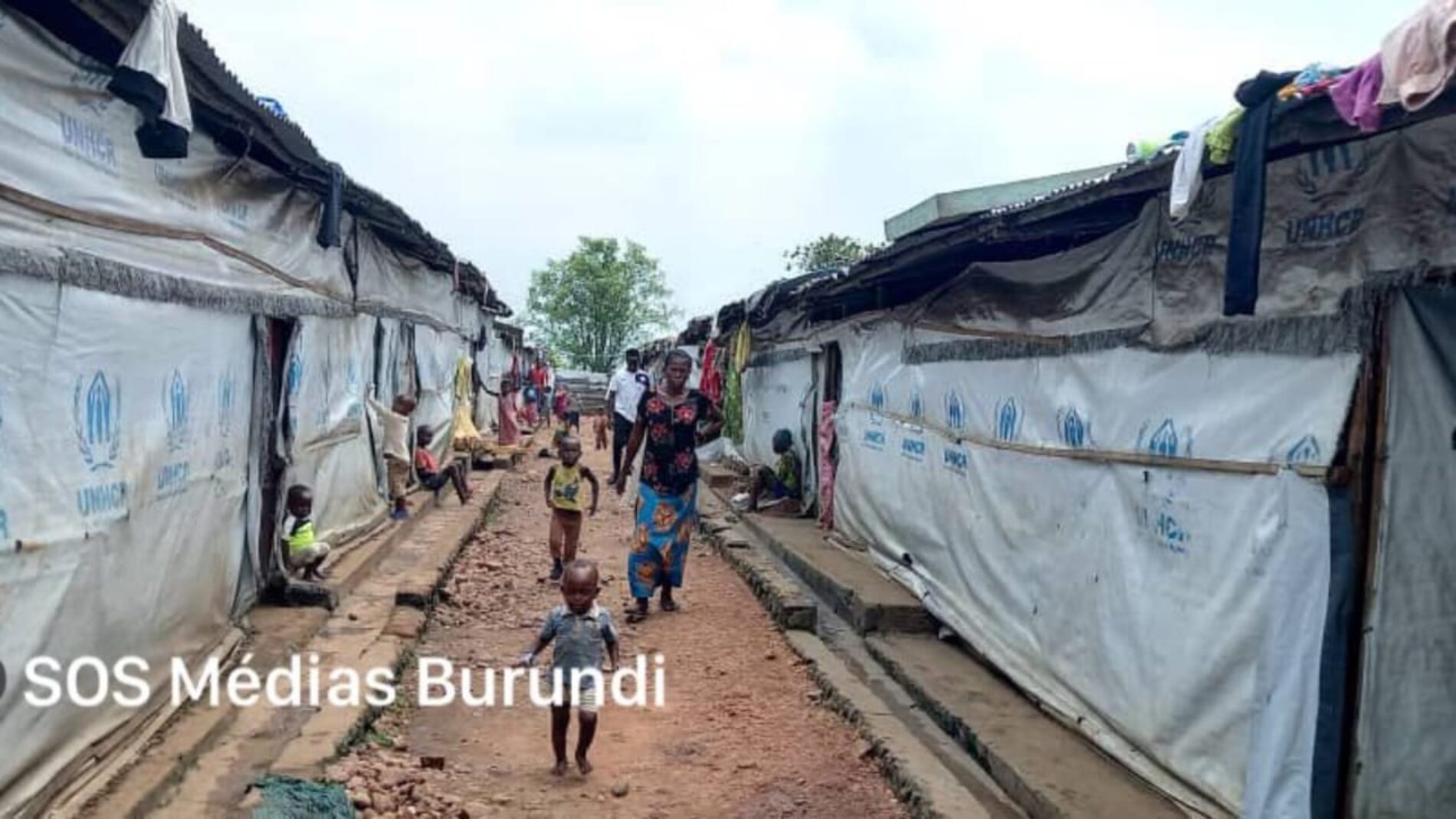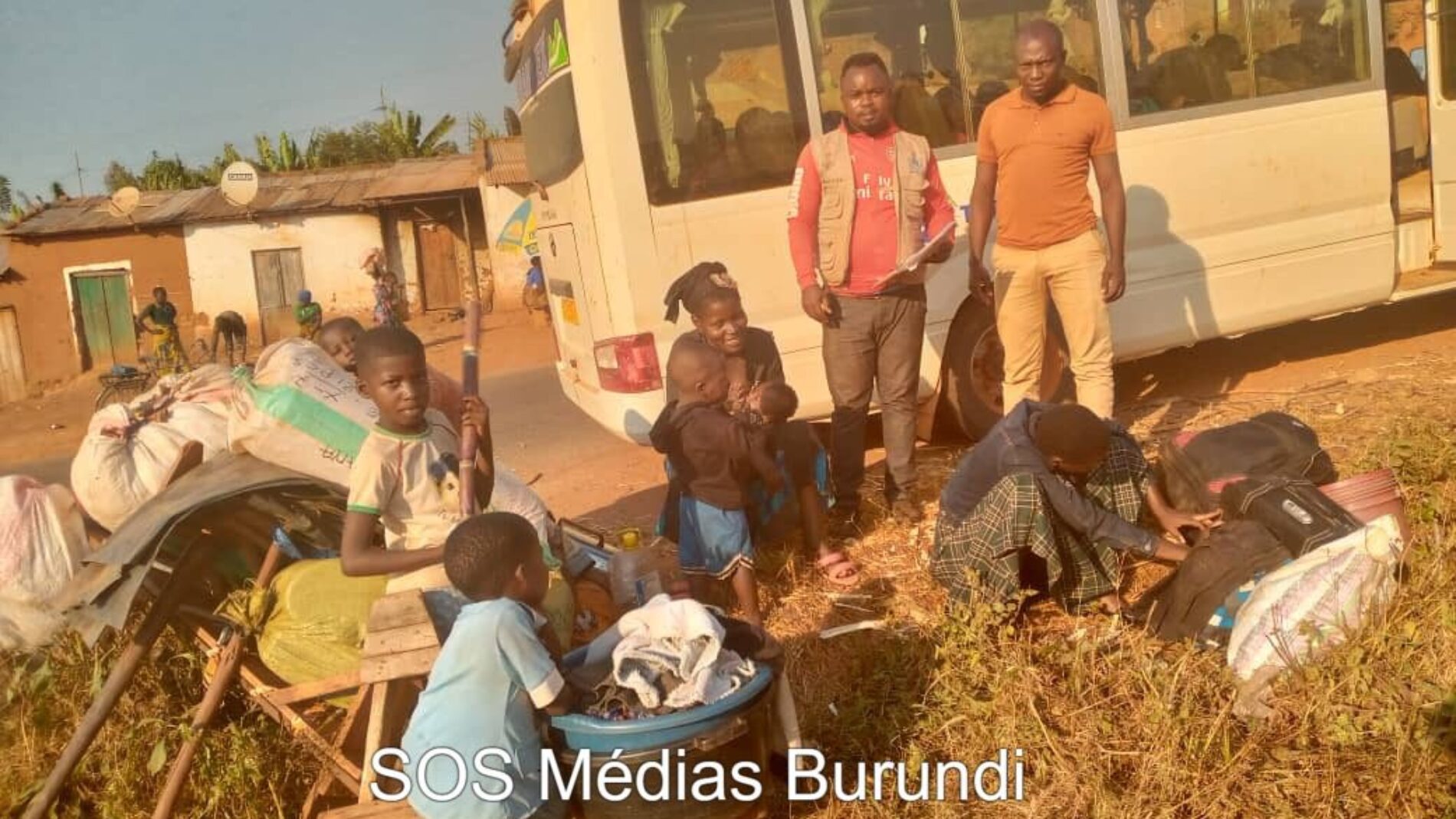
Burundian authorities and their Tanzanian counterparts made a joint decision to close the Nduta and Nyarugusu refugee camps in Tanzania, leading to an influx of repatriates into areas like Buhumuza. This repatriation wave is now significantly impacting local education, with the 2026-2027 school year scheduled to commence on September 7. The increased student population is placing a substantial and growing strain on school resources in Burundi, particularly in provinces receiving a large number of returnees. The closure of these camps, which had housed Burundian refugees for an extended period, has necessitated the reintegration of thousands of children into the Burundian educational system, posing considerable challenges for already stretched infrastructure.
Overcrowding and Infrastructure Gaps
The districts of Gisagara and Butihinda are particularly affected by the influx of repatriated pupils, which has intensified existing challenges within the educational system. The arrival of thousands of additional children raises serious questions about the capacity of local schools to absorb them effectively. Many educational facilities in the region are already experiencing significant overcrowding, exacerbating the pressure on existing classrooms and teaching staff. This situation is further compounded by a significant shortage of essential furniture, which is key for a conducive learning environment. During the past school year, Buhumuza province, a primary destination for returnees, faced a severe deficit of more than 48,000 desks, a figure that is now expected to grow substantially with the increased student population. The lack of adequate seating directly impacts learning conditions and poses considerable logistical challenges for schools as they prepare for the upcoming academic year, potentially hindering the quality of education provided.
Delayed Desk Production
The government's program specifically designed to manufacture school desks is currently behind schedule, further exacerbating the existing shortages. This delay in the bench manufacturing program is primarily attributed to a persistent lack of electricity and fuel, critical resources for industrial production. The ongoing issues with power supply and fuel availability have significantly hampered production efforts, directly affecting the timely delivery of key school furniture to the provinces most in need. The shortfall in desks contributes to the broader challenge faced by schools in Buhumuza province, which are already struggling to accommodate an increased student population due to the repatriation efforts. The program's inability to meet its targets exacerbates the existing deficit of school desks, putting additional strain on educational infrastructure ahead of the new school year and potentially leading to classrooms where multiple students must share a single desk or sit on the floor.
Governor's Response to Crisis
Repatriated pupils are arriving in Buhumuza primarily from the Nduta and Nyarugusu camps located in Tanzania, following the joint decision by Burundian and Tanzanian authorities to close these facilities. Buhumuza province is currently hosting the majority of these returnees, making it a focal point for the challenges associated with their reintegration. This influx of students exacerbates the existing challenges within the local education system, particularly concerning infrastructure and resources. The arrival of these pupils has intensified the strain on schools already grappling with overcrowding and a significant shortage of school desks. The province's capacity to accommodate the increased student population is a growing concern for educational authorities as they prepare for the upcoming school year. The repatriation process continues to bring more students into the province, further noting the urgent need for additional resources and strategic planning to support their successful integration into the educational framework and ensure they receive an adequate education. Addressing these infrastructure and resource gaps is critical for the long-term success of the reintegration program.