Burundi's National Assembly recently adopted a draft law concerning a visa exemption agreement with Angola for diplomatic and service passport holders. This legislative action formally approves the project of law regarding the visa exemption agreement between the two nations, specifically for individuals holding diplomatic and service passports. The legislative approval aims to facilitate and accelerate travel between the two nations for high-level visits, tourism, and other activities. This key step in the legislative process is expected to streamline movement for officials and citizens engaged in various bilateral engagements, fostering closer ties and cooperation.
Agreement Details and Signing
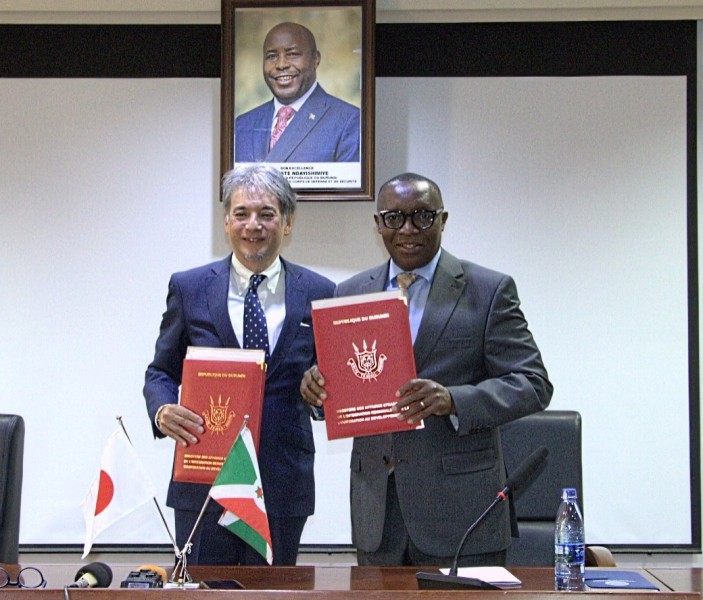
The agreement permits citizens of one signatory nation who possess diplomatic or service passports to enter, transit through, stay in, and depart from the territory of the other party without needing a visa. This provision is central to the accord, simplifying international travel for designated individuals. The cooperation agreement was formally signed on February 17, 2026, in Addis Ababa, Ethiopia. This signing event took place on the sidelines of the 39th African Union Summit, a significant regional gathering where representatives from both nations formalized the terms of the pact. The accord is intended to streamline travel for government officials and others holding specified passports, fostering closer bilateral ties between Burundi and Angola. It aims to simplify administrative procedures for individuals engaged in official duties or diplomatic missions between the two countries, thereby enhancing efficiency in diplomatic exchanges and official visits.
Ministerial Context and Rationale
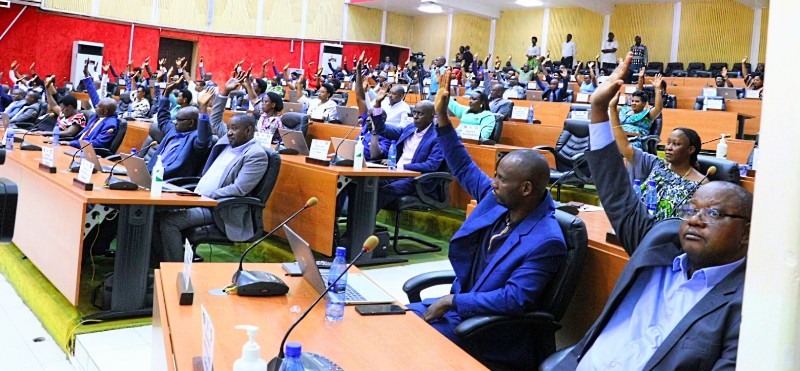
The legislative body's adoption of the draft law was unanimous among the deputies present, signaling strong parliamentary support for the initiative. Explaining the rationale behind the agreement, Minister Edouard Bizimana stated that visa exemptions are to be implemented gradually. Bizimana emphasized that this phased approach considers various factors, including Burundi's existing commitments to the African Union and adherence to instruments from regional economic communities. The Minister showed the importance of aligning national policies with broader continental and regional frameworks.
Minister Bizimana further noted that imperatives related to national security, public order, and public health also play a role in the careful implementation of such exemptions. These considerations ensure that while facilitating travel, the nation's sovereign interests and public welfare remain protected. Regarding the agreement's purpose, Minister Edouard Bizimana stated, "ledit Accord vise notamment à faciliter et à accélérer les déplacements liés aux visites de haut niveau, au tourisme ainsi qu’à d’autres activités" (the said Agreement aims in particular to facilitate and accelerate travel related to high-level visits, tourism, as well as other activities). This explanation showed the government's balanced approach to fostering bilateral relations while maintaining national interests and adhering to international obligations.
Legislative Approval Process
The draft law to ratify the visa exemption agreement was adopted by Burundi's National Assembly on Friday, September 4, 2026. This legislative step marks a key stage in formalizing the accord between Burundi and Angola. The agreement, previously signed in Addis Ababa, Ethiopia, aims to streamline travel for diplomatic and service passport holders from both nations. By ratifying the law, Burundi's parliament signaled its approval for the terms outlined in the bilateral pact, ensuring its integration into national legal frameworks. The adoption process ensures that the agreement aligns with national legal frameworks and can proceed towards full implementation, facilitating easier movement and strengthening diplomatic ties between the two African countries. This action shows Burundi's commitment to regional cooperation and integration, particularly concerning travel and bilateral engagements, and is expected to enhance diplomatic and economic exchanges with Angola.